Oily Skin Treatment in Myeongdong
Oily skin is a common concern characterized by excess sebum production, enlarged pores, and frequent shine—especially in the T-zone. In Korean dermatology clinics, specialized treatments are designed to regulate oil production, cleanse pores, and improve overall skin balance.
In Myeongdong, Seoul, many skin clinics offer advanced dermatology procedures that target oily skin using lasers, exfoliation treatments, and sebum-control therapies. These treatments help reduce excess oil while maintaining healthy skin hydration and barrier function.
🔥 What Is Oily Skin Treatment?
Oily skin treatments focus on controlling excess sebum production while improving pore clarity and skin texture.
These treatments can:
✔ Reduce excessive oil production
✔ Minimize enlarged pores
✔ Prevent acne and clogged pores
✔ Improve overall skin balance
✔ Refine skin texture and tone
Dermatology treatments work by removing excess sebum, exfoliating dead skin cells, and regulating sebaceous gland activity to maintain a healthier oil-moisture balance.
💉 Types of Oily Skin Treatments
🔦 Carbon Laser Peel (Hollywood Peel)
- Laser treatment using a carbon solution to absorb oil and impurities
- Laser energy removes excess sebum and dead skin cells
- Helps tighten pores and improve skin texture
- Commonly used for oily and acne-prone skin
✨ Aqua Peel / Hydro Dermabrasion
- Deep cleansing treatment using liquid exfoliation and suction
- Removes excess oil, blackheads, and pore debris
- Improves skin clarity and smoothness
- Often used as regular maintenance for oily skin
🧬 Sebum Control Laser
- Laser energy targets overactive sebaceous glands
- Helps regulate oil production and reduce acne breakouts
- Improves pore appearance and skin texture
- Frequently used in Korean dermatology programs
🌈 Chemical Peeling (AHA / BHA Peels)
- Chemical exfoliation removes dead skin and oil buildup
- Helps unclog pores and prevent acne
- Improves skin tone and smoothness
- Often recommended for oily or acne-prone skin
📍 Benefits of Oily Skin Treatments
✔ Controls excessive sebum production
✔ Reduces enlarged pores
✔ Helps prevent acne breakouts
✔ Improves skin texture and clarity
✔ Non-surgical dermatology treatments
🧠 Ideal Candidates
Oily skin treatments are suitable for individuals with:
- Excess sebum production
- Frequent facial shine
- Enlarged pores
- Acne-prone or congested skin
- Uneven or rough skin texture
People with severe inflammatory acne or skin infections should consult a dermatologist before undergoing treatment.
🌟 Typical Treatment Areas
- Nose: Control of oil and visible pores
- T-zone: Reduction of shine and congestion
- Cheeks: Improved pore texture
- Chin: Acne and oil control
- Forehead: Balanced sebum production
🪡 What to Expect During the Procedure
- Skin consultation and oil-level analysis
- Cleansing and exfoliation preparation
- Sebum-control treatment (laser, peel, or deep cleansing procedure)
- Calming mask or soothing treatment
- Application of oil-balancing skincare products
Most treatments take 30–60 minutes depending on the procedure used.
🕒 Recovery & Downtime
✔ Mild redness for several hours
✔ Temporary skin sensitivity
✔ Possible light peeling after exfoliation treatments
✔ Avoid heavy makeup for 24 hours
✔ Gradual improvement in oil balance after repeated sessions
Multiple sessions are often recommended to maintain long-term oil control and pore refinement.
⭐ Oily Skin Treatment Clinics in Myeongdong
Several dermatology clinics in the Myeongdong area provide treatments designed to manage oily skin and improve pore clarity.
- Re:Berry Clinic Myeongdong – personalized sebum control and pore treatments
- Lijin Clinic Myeongdong – popular for acne and oily skin laser programs
- Val:U Clinic Myeongdong – dermatology-focused skin balance treatments
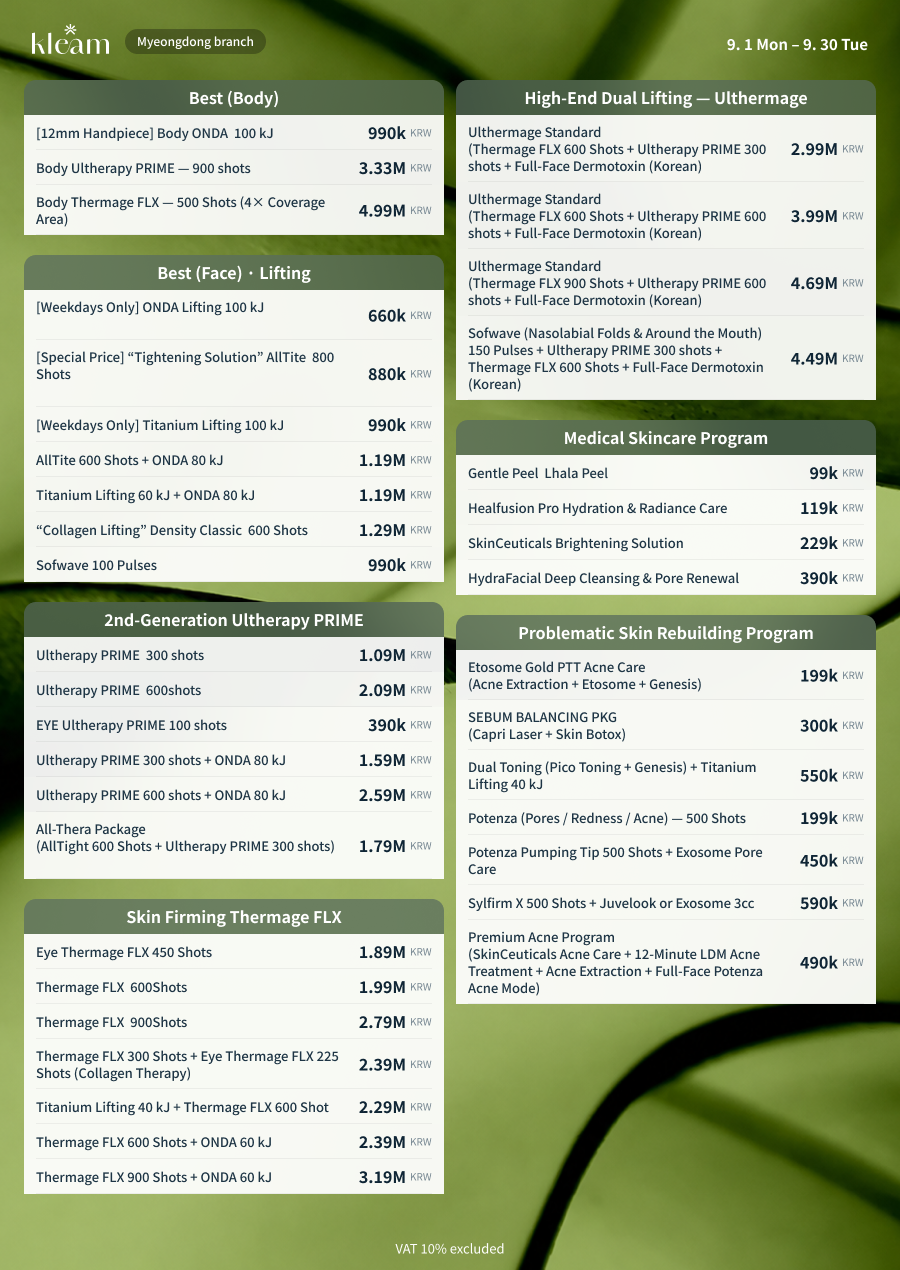
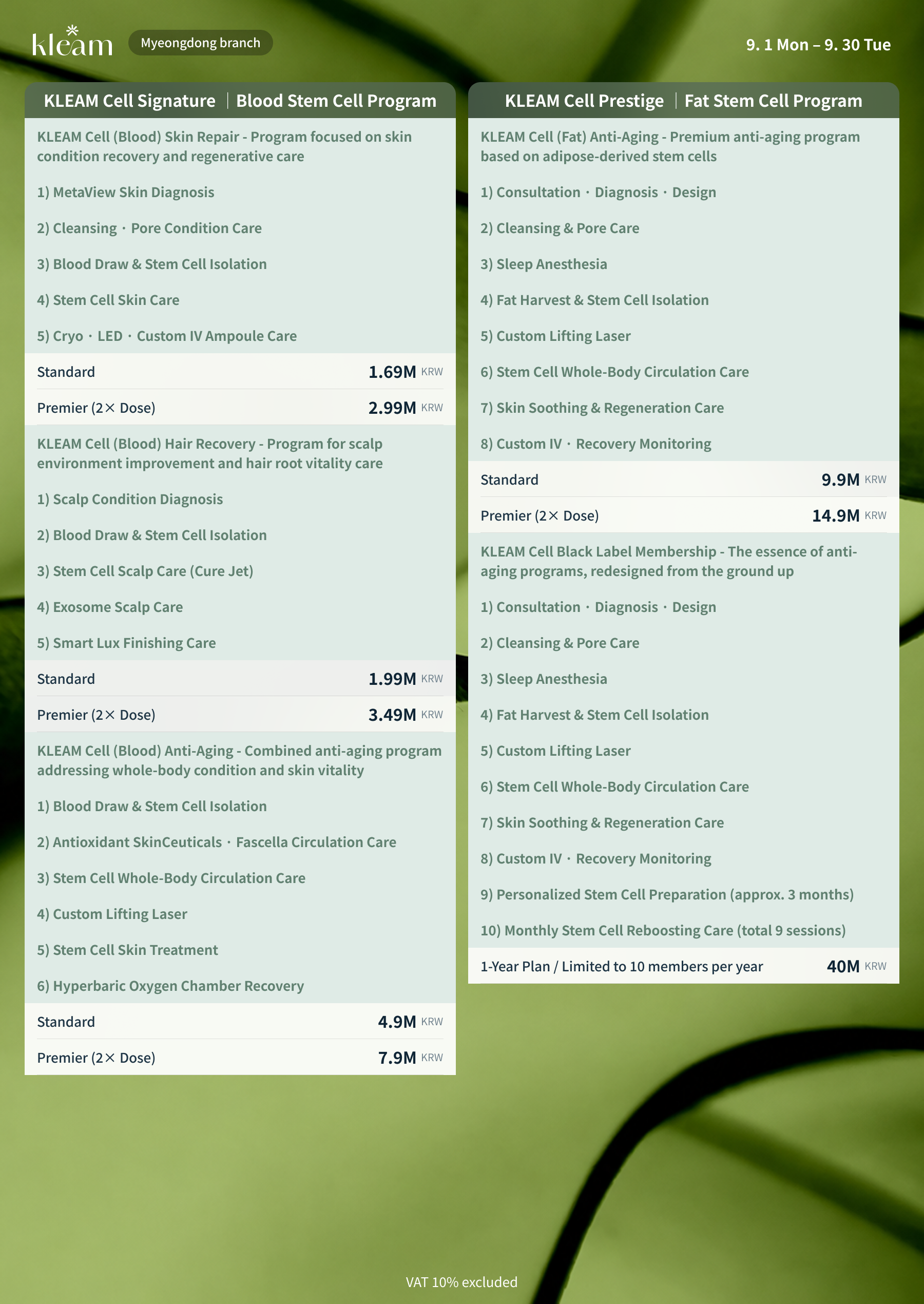
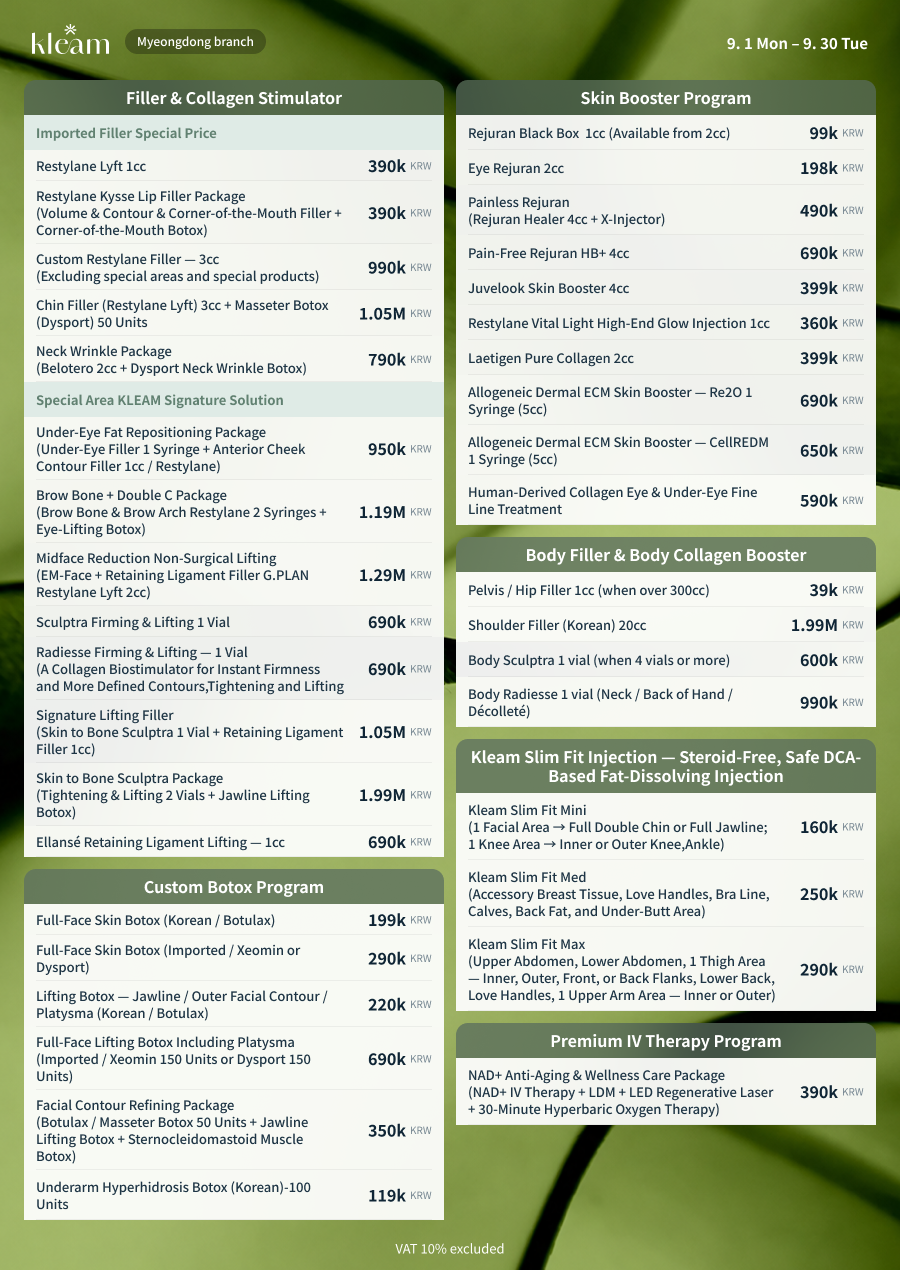
- Kleam Clinic Myeongdong – combination pore care and skin rejuvenation procedures
🧠 Side Effects & Safety
Possible temporary effects include:
- Mild redness
- Temporary swelling
- Skin dryness or peeling
- Temporary sensitivity
To ensure safe treatment:
✔ Choose a certified dermatologist
✔ Confirm clinic hygiene and sterilization standards
✔ Follow recommended aftercare instructions
✔ Use sunscreen daily to protect treated skin