Dry Skin Treatment in Korean Dermatology Clinics

March 10, 2026

Dry skin occurs when the skin lacks sufficient moisture and natural oils, leading to rough texture, flaking, tightness, and increased sensitivity. Korean dermatology clinics offer specialized treatments designed to restore hydration, strengthen the skin barrier, and improve overall skin health.

In Korea, dermatology clinics commonly provide advanced hydration therapies using skin boosters, laser technology, and professional skincare treatments. These procedures help replenish moisture deep within the skin while improving elasticity and smoothness.

πŸ”₯ What Is Dry Skin Treatment?

Dry skin treatments focus on restoring hydration levels and repairing the skin barrier to improve overall skin comfort and appearance.

These treatments can:

βœ” Deeply hydrate dehydrated skin
βœ” Restore the skin’s natural moisture barrier
βœ” Improve rough or flaky texture
βœ” Reduce tightness and irritation
βœ” Enhance skin smoothness and elasticity

Professional dermatology treatments deliver hydrating ingredients and stimulate skin renewal to maintain long-lasting moisture and healthier skin.

πŸ’‰ Types of Dry Skin Treatments

πŸ’§ Skin Booster Injections

  • Injectable treatment delivering hydrating ingredients such as hyaluronic acid into the skin
  • Helps improve moisture retention and skin elasticity
  • Common treatments include hydration boosters used widely in Korean dermatology
  • Improves dull and dehydrated skin appearance

✨ Hydrating Laser Treatment

  • Gentle laser therapy that stimulates skin renewal and circulation
  • Helps improve skin hydration and texture
  • Often combined with moisturizing treatments
  • Suitable for sensitive or dehydrated skin

🧬 Aqua Peel (Hydro Dermabrasion)

  • Deep cleansing and hydration treatment using liquid exfoliation
  • Removes dead skin cells while infusing moisturizing solutions
  • Improves skin smoothness and clarity
  • Often used for dry or dull skin maintenance

🌈 Hydration Facial Therapy

  • Professional dermatology facial designed to deeply moisturize skin
  • Uses hydrating serums and soothing masks
  • Helps restore moisture balance and skin comfort
  • Commonly used as a complementary treatment with lasers

πŸ“ Benefits of Dry Skin Treatments

βœ” Deep hydration and moisture replenishment
βœ” Improved skin barrier function
βœ” Smoother and softer skin texture
βœ” Reduced flakiness and irritation
βœ” Non-surgical skin rejuvenation

🧠 Ideal Candidates

Dry skin treatments are suitable for individuals with:

  • Persistent dry or flaky skin
  • Tight or rough skin texture
  • Dehydrated or dull complexion
  • Sensitive or easily irritated skin
  • Early signs of skin aging due to dryness

Individuals with severe skin conditions or infections should consult a dermatologist before treatment.

🌟 Typical Treatment Areas

  • Full face: Overall hydration and skin comfort
  • Cheeks: Improved moisture and elasticity
  • Forehead: Smoother skin texture
  • Under-eye area: Hydration for delicate skin
  • Neck: Skin rejuvenation and moisture restoration

πŸͺ‘ What to Expect During the Procedure

  1. Skin consultation and hydration analysis
  2. Cleansing and preparation of the skin
  3. Hydration treatment (injection, laser, or professional skincare therapy)
  4. Soothing mask or calming treatment
  5. Application of moisturizing and protective skincare products

Most sessions take 30–60 minutes depending on the selected treatment.

πŸ•’ Recovery & Downtime

βœ” Mild redness for several hours
βœ” Temporary skin sensitivity
βœ” Possible slight swelling after injectable treatments
βœ” Avoid harsh skincare products for several days
βœ” Skin hydration improves gradually after treatment

Regular sessions may be recommended to maintain optimal skin hydration and barrier health.

⭐ Dry Skin Treatment Clinics in Myeongdong

Several dermatology clinics in Korea offer professional treatments designed to restore skin hydration and improve dry skin conditions:

  • Re:Berry Clinic Myeongdong – personalized hydration and skin booster programs
  • Lijin Clinic Myeongdong – dermatology treatments focused on skin repair and moisture balance
  • Val:U Clinic Myeongdong – advanced skin hydration and rejuvenation procedures
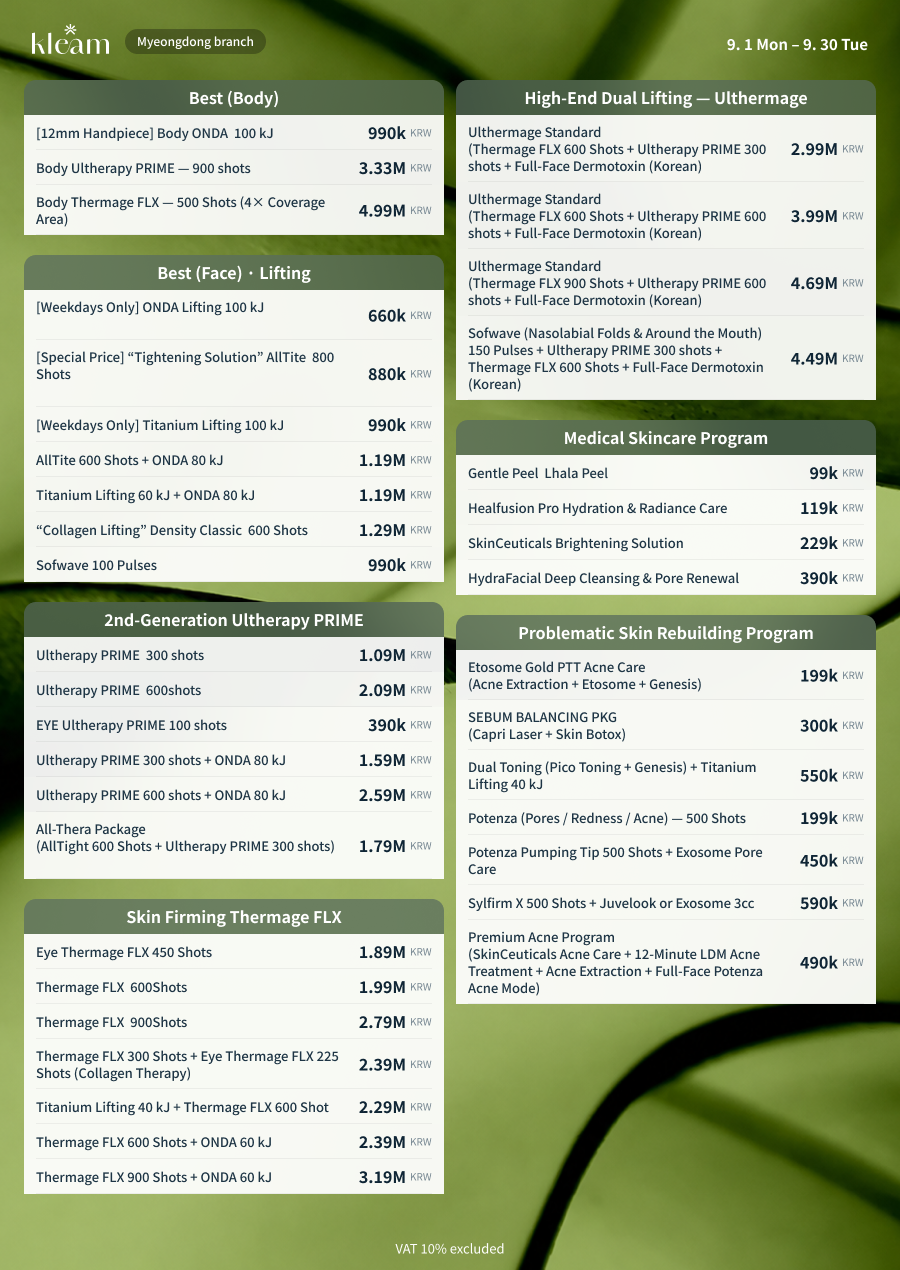
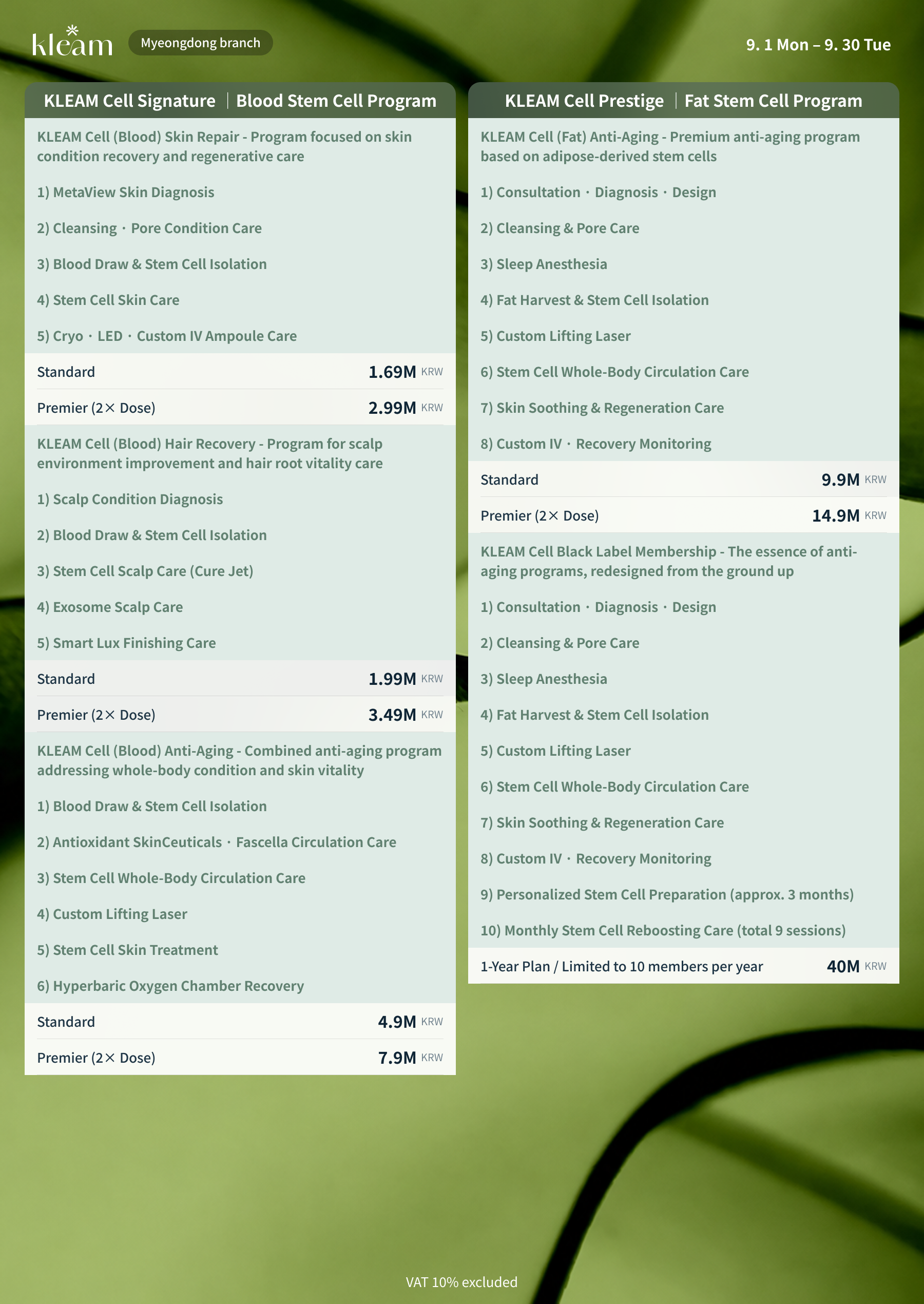
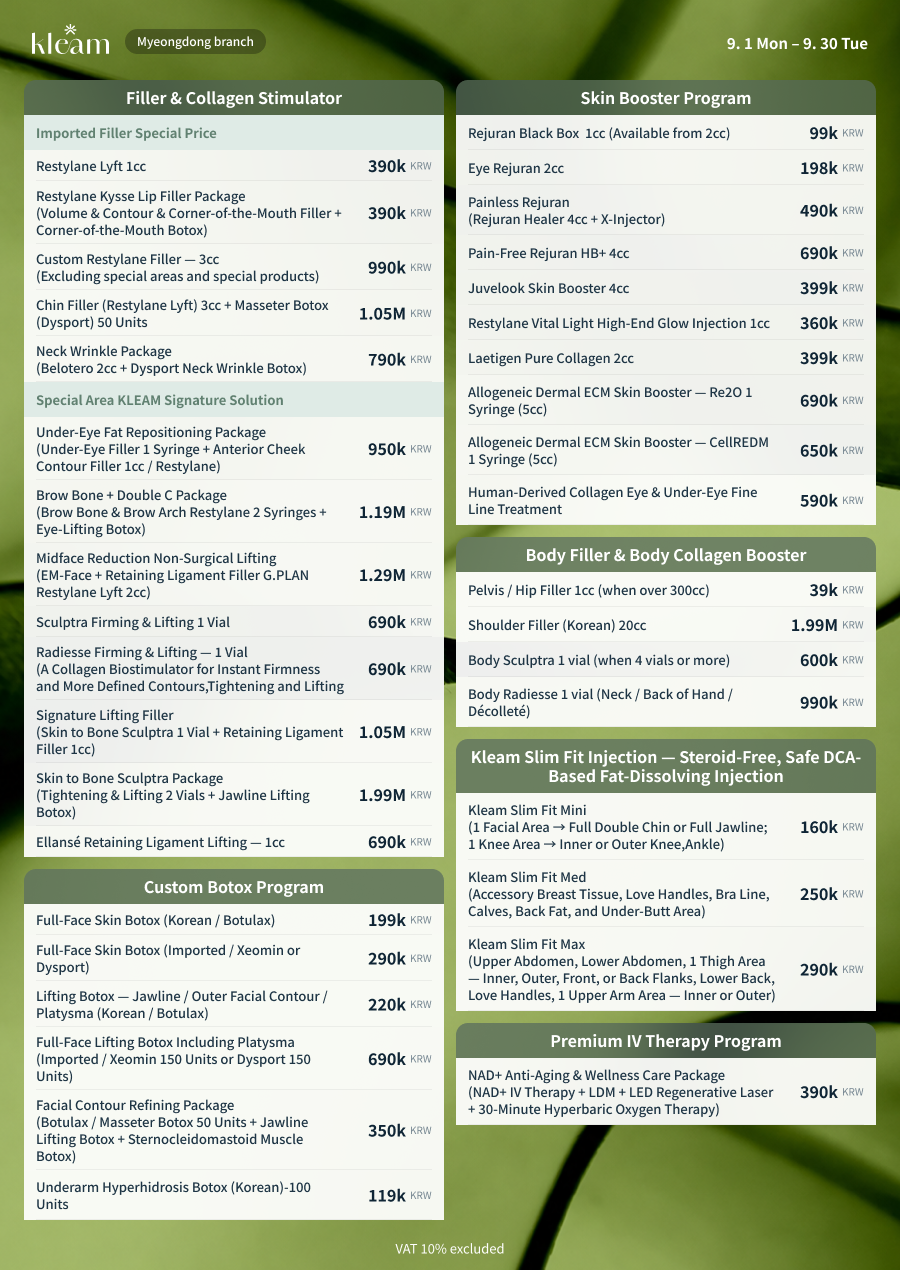
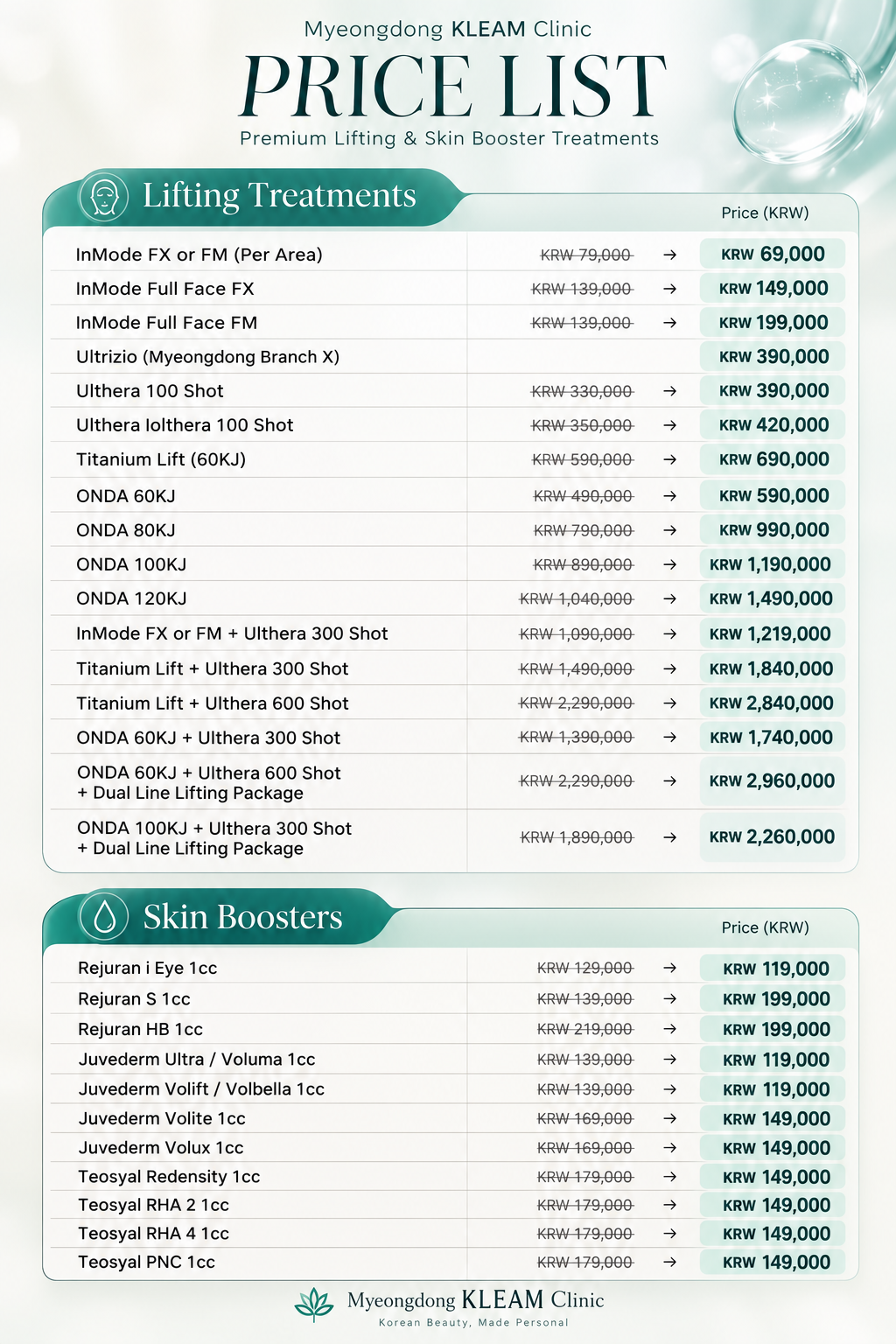
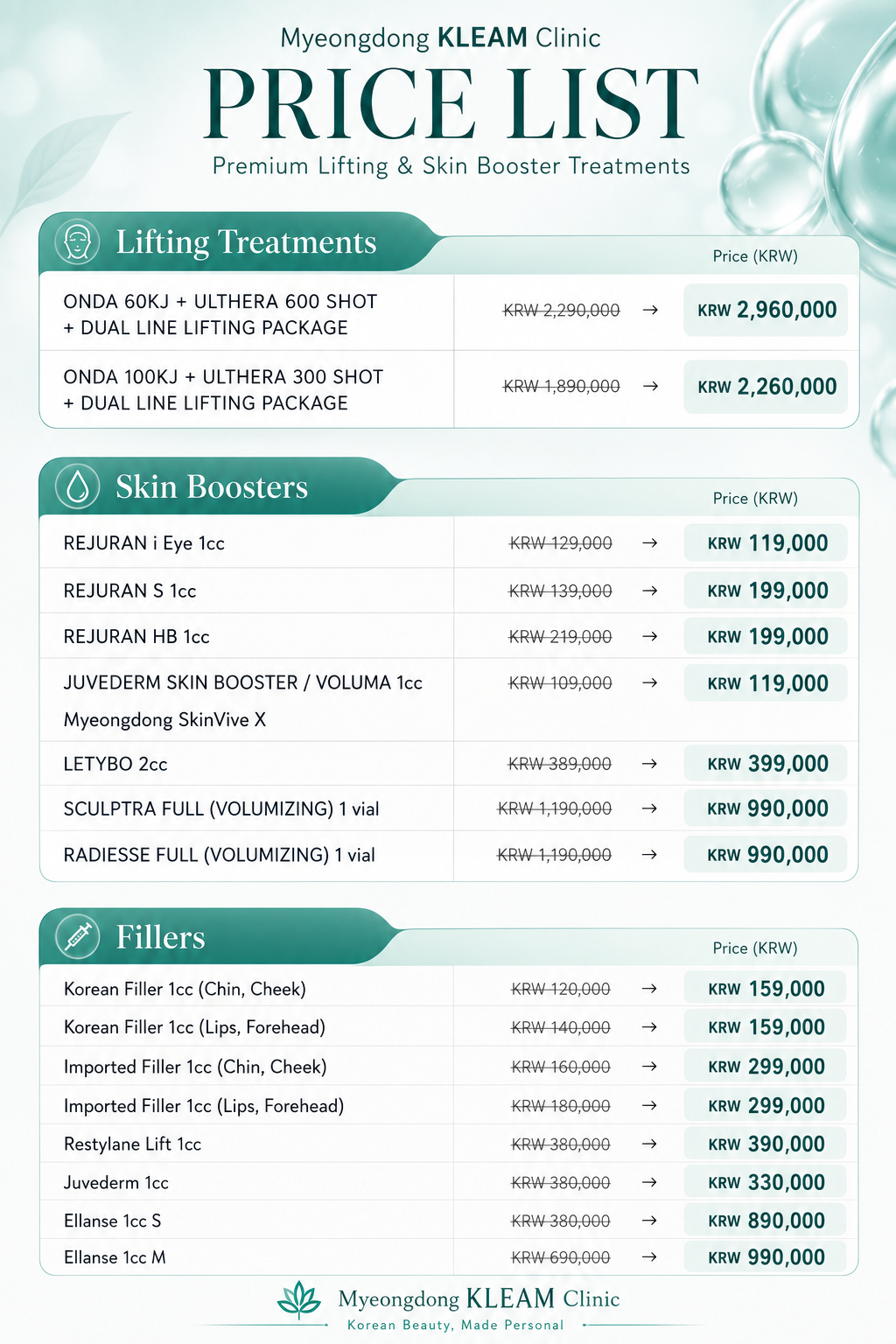
  • Kleam Clinic Myeongdong – combination treatments for dry and aging skin

🧠 Side Effects & Safety

Possible temporary effects include:

  • Mild redness
  • Temporary swelling
  • Skin sensitivity
  • Minor dryness or peeling

To ensure safe treatment:

βœ” Choose a certified dermatologist
βœ” Confirm proper hygiene and sterilization standards
βœ” Follow recommended aftercare instructions
βœ” Use moisturizing skincare and sunscreen regularly
March 11, 2026
Laser and injectable skin treatments are widely used around the world, but Korean dermatology clinics often focus on improving overall skin quality , while many Western aesthetic clinics traditionally emphasize treatments that change facial volume or structure. In popular dermatology districts like Myeongdong in Seoul, many clinics offer treatments designed to enhance hydration, elasticity, and skin clarity. These treatments are often performed with the goal of creating naturally healthy and radiant-looking skin rather than dramatic cosmetic changes. πŸ”¬ What Are Korean Skin Boosters? Korean skin boosters are injectable or microinjection treatments designed to improve the condition of the skin itself . Instead of adding volume, they deliver beneficial ingredients directly into the skin to enhance hydration and skin health. These treatments typically focus on: βœ” Deep skin hydration βœ” Improving skin elasticity βœ” Refining pores and skin texture βœ” Brightening dull skin βœ” Supporting collagen production Common ingredients used in skin boosters include: Hyaluronic acid for moisture retention Polynucleotides (PN) for skin repair Growth factors that support regeneration Vitamins and amino acids for skin nourishment Skin booster treatments are usually performed over multiple sessions, gradually improving overall skin quality and producing a natural, healthy glow. πŸ’‰ What Are Western Aesthetic Treatments? Many Western aesthetic clinics focus more on structural facial treatments that target wrinkles, volume loss, and facial contours. These procedures often include: βœ” Dermal fillers to restore facial volume βœ” Wrinkle-relaxing injections such as Botox βœ” Chemical peels for skin resurfacing βœ” Laser resurfacing treatments for texture improvement Dermal fillers are commonly used to enhance facial features such as lips, cheeks, and jawlines, while Botox works by relaxing facial muscles that cause dynamic wrinkles. Compared with skin boosters, these treatments often produce more immediate visible changes. 🌟 Why International Patients Try Korean Skin Treatments Many international visitors travel to Korea to experience dermatology treatments that focus on skin quality and natural-looking improvements. Reasons patients choose Korean clinics include: βœ” Advanced dermatology technology βœ” Combination treatment programs βœ” Skilled dermatology specialists βœ” Competitive treatment pricing βœ” Clinics experienced with international patients This growing interest has helped make Korean dermatology treatments increasingly popular worldwide. βš–οΈ Key Differences Between Korean Skin Boosters and Western Treatments βœ” Korean skin boosters focus on improving skin quality, hydration, and natural glow, while Western treatments often focus on changing facial structure or restoring lost volume. βœ” Skin boosters usually require several sessions for gradual improvement, whereas Western treatments like fillers or Botox often provide quicker visible results. βœ” Korean treatments are generally lighter with minimal downtime, while some Western procedures can involve stronger resurfacing or more noticeable recovery periods. βœ” Skin booster treatments are often used for regular skin maintenance, while Western treatments may be performed less frequently but produce longer-lasting structural changes. βœ” Pricing can differ depending on the clinic and ingredients used, but skin boosters are often performed as a series of treatments, while Western treatments may involve higher single-session costs for fillers or structural procedures. πŸ•’ Treatment Frequency and Maintenance The treatment schedule for skin boosters and Western aesthetic treatments can differ. Skin booster treatments are often performed in a series of sessions , such as: Initial treatment series (3–4 sessions) Follow-up treatments every few months Maintenance sessions to maintain hydration and elasticity Western treatments such as fillers or Botox are typically performed less frequently , often every several months depending on the treatment type and desired results. 🧠 Which Treatment Approach Is Right for You? The best choice depends on individual skin concerns and desired results. Skin boosters may be ideal for people who want: Healthier, more radiant skin Subtle and natural improvements Better hydration and elasticity Preventive anti-aging care Western-style treatments may be more suitable for individuals seeking: Noticeable wrinkle reduction Facial volume restoration Contouring of cheeks, lips, or jawline Faster visible changes Many modern dermatology clinics now combine both approaches to create balanced and natural-looking results.
March 11, 2026
🌏 Korean Skin Clinic Etiquette for International Patients Visiting a skin clinic in Korea as an international patient can be a seamless and enjoyable experience if you understand the cultural and professional etiquette. Observing clinic norms not only shows respect but also ensures smooth communication and better treatment outcomes. πŸ” Step 1: Appointment Booking Advance Booking: Most clinics require appointments, especially for popular procedures like laser treatments or anti-aging sessions. Provide Clear Information: Include your skin concerns, preferred procedures, travel dates, and any allergies. Language Consideration: Confirm if English-speaking staff or interpreters are available for smooth communication. Booking in advance and providing clear details is appreciated and helps clinics prepare for your visit. πŸ’¬ Step 2: Arrival & Registration Bring Identification: Passport or ID is required for patient registration. Arrive On Time: Punctuality is important in Korea and ensures your scheduled treatments proceed without delay. Medical Forms: Complete forms about your skin history, allergies, medications, and lifestyle habits. Arriving prepared makes check-in efficient and allows the dermatologist to start on time. πŸ‘€ Step 3: Consultation Etiquette Communicate Clearly: Explain your skin concerns and goals honestly. Ask Questions Respectfully: Inquire about procedures, risks, and recovery without interrupting the dermatologist’s assessment. Listen to Recommendations: Follow professional advice, even if it differs from your expectations. Effective communication ensures treatments are safe, personalized, and tailored to your needs. 🩺 Step 4: During Treatment Follow Instructions: Keep still during laser or injection procedures, and follow the technician’s guidance. Respect Staff: Be polite and patient, especially if staff are helping with multiple patients. Minimal Distractions: Avoid using your phone or causing disruptions during treatment. Respecting the treatment environment helps the procedure go smoothly and maintains clinic professionalism. 🧴 Step 5: Aftercare and Follow-Up Follow Guidelines: Apply recommended creams, use sunscreen, and avoid heat or friction as advised. Schedule Follow-Ups: Some treatments require multiple sessions; book in advance if necessary. Report Concerns Promptly: Contact the clinic if you experience unexpected reactions or discomfort. Proper aftercare is crucial for achieving optimal results and demonstrates responsibility as a patient. πŸ—“ General Tips for International Patients Bring a list of previous treatments and skincare products. Speak clearly about any allergies or sensitivities. Be patient if there are slight language barriers; most clinics provide translators. Avoid being late or canceling last minute to respect the clinic’s schedule. ✨ Final Thoughts Following proper etiquette in Korean skin clinics helps international patients receive safe, effective, and personalized care. By being punctual, prepared, communicative, and respectful, you can enjoy a positive experience and make the most of advanced dermatology services during your visit to Korea.
March 11, 2026
πŸ“ Preparing for Your First Dermatology Appointment in Korea Visiting a dermatology clinic in Korea for the first time can be exciting but also a bit overwhelming, especially for international travelers. Proper preparation helps you maximize the benefits of your consultation, ensures safety, and allows dermatologists to create a treatment plan tailored to your skin needs. πŸ” Step 1: Choose the Right Clinic Reputation & Reviews: Research clinics with positive feedback from international patients. Language Support: Make sure English-speaking staff or interpreters are available. Treatment Options: Check that the clinic offers procedures you are interested in, such as laser treatments, facials, anti-aging procedures, or acne therapy. Selecting a reliable clinic ensures professional care and a smoother first-time experience. πŸ’¬ Step 2: Gather Your Medical Information Skin History: List previous treatments, skin concerns, and reactions to products. Allergies & Medications: Note any allergies, medications, or supplements you are taking. Lifestyle Factors: Include information on diet, sun exposure, and daily skincare routines. Providing accurate information allows dermatologists to recommend safe and effective treatments. πŸ—“ Step 3: Schedule & Timing Book in Advance: Popular clinics may have limited slots for foreigners. Plan Around Travel: Schedule your appointment early in your trip if follow-ups are needed. Duration: Expect 30–60 minutes for a full consultation depending on your concerns. Planning ensures you have enough time for assessment without rushing. πŸ‘€ Step 4: Prepare Questions What treatments are best for my skin type and concerns? How many sessions will I need for optimal results? What are the expected side effects and recovery times? Are there any pre-appointment restrictions or skincare adjustments needed? Having a list of questions helps you get the most out of your consultation. πŸ’‘ Step 5: On the Day of the Appointment Bring Identification: Passport or ID is usually required for registration. Minimal Makeup: Arrive with clean skin to allow accurate assessment. Documentation: Bring your medical records or photos of previous treatments if available. These steps make the consultation smoother and more efficient. ✨ Final Thoughts Preparing well for your first dermatology appointment in Korea ensures a safe and productive experience. By choosing the right clinic, providing thorough information, asking questions, and following pre-appointment guidelines, you can receive personalized treatment recommendations and start your journey toward healthier, radiant skin.
March 11, 2026
🩺 How Korean Dermatologists Diagnose Skin Problems Korean dermatology is recognized worldwide for its advanced technology and personalized approach. When patients visit a clinic, dermatologists use a combination of visual assessment, diagnostic tools, and medical history to accurately identify skin concerns. Understanding the diagnostic process can help patients feel more confident and prepared for treatment. πŸ” Step 1: Medical History Review Skin Concerns: Patients discuss issues such as acne, pigmentation, wrinkles, or dryness. Previous Treatments: Information about past procedures, medications, or skincare routines is recorded. Lifestyle Factors: Diet, sun exposure, stress levels, and sleep patterns are considered. This step ensures dermatologists understand the patient’s overall skin health and any factors that may affect treatment. πŸ‘€ Step 2: Visual Examination Skin Texture & Tone: Dermatologists examine the surface for uneven tone, roughness, or fine lines. Lesions & Spots: Evaluation of moles, pigmentation, acne scars, and sun damage. Elasticity & Hydration: Signs of aging or dehydration are assessed to determine skin vitality. Visual examination allows immediate identification of common skin problems and guides further testing if needed. πŸ”¬ Step 3: Diagnostic Tools Skin Analysis Devices: Measure hydration, oil balance, pore size, pigmentation depth, and collagen density. Magnification & Imaging: High-resolution cameras capture detailed views of skin layers. Optional Tests: Blood tests or allergy tests if systemic causes are suspected. Advanced diagnostic tools help dermatologists detect underlying issues that may not be visible to the naked eye. πŸ“‹ Step 4: Personalized Assessment Condition Classification: Skin type (oily, dry, combination, sensitive) and problem areas are identified. Treatment Recommendations: A tailored plan is created, combining procedures like lasers, chemical peels, facials, or injectables. Expected Outcomes: Doctors explain realistic results, possible side effects, and recovery times. Personalized assessment ensures treatments are safe, effective, and suitable for the patient’s skin type. πŸ—“ Tips for Patients Bring a record of previous treatments and medications. Clearly communicate your skin concerns and goals. Be prepared to answer questions about lifestyle and sun exposure. Follow clinic guidance for any pre-assessment skincare or restrictions. ✨ Final Thoughts Korean dermatologists combine detailed medical history, visual examination, and advanced diagnostic tools to accurately assess skin problems. This thorough approach allows for personalized, safe, and effective treatment plans, helping patients achieve healthier, more radiant skin.
March 11, 2026
✈️ Skin Treatment Travel Guide for Korea Korea is a global hub for advanced skincare and dermatology, attracting tourists who want professional treatments during their trip. From laser therapy to hydration facials, Korean clinics offer a variety of procedures that suit different skin types and travel schedules. This guide will help you plan your skincare journey in Korea efficiently and safely. πŸ” Choosing the Right Clinic Reputation & Reviews: Look for clinics with positive feedback from international patients. Language Support: Check if English-speaking staff or interpreters are available. Treatment Range: Ensure the clinic offers the procedures you’re interested in, from lasers to anti-aging or acne treatments. Selecting a reputable clinic ensures safety, effective results, and a smoother experience for first-time visitors. πŸ“… Planning Your Trip Around Treatments Duration: Decide how many days you can dedicate to skincare without compromising sightseeing. Scheduling: Plan treatments with recovery time in mind, especially for lasers or peels. One-Day Programs: Many clinics offer combined treatment packages that can be completed in a single day for tourists on tight schedules. A well-planned schedule helps you enjoy your trip while maintaining effective skincare. πŸ’¬ Consultation Process Skin Assessment: Dermatologists evaluate your skin type, concerns, and history. Treatment Recommendations: Personalized plans are provided, including procedure options, expected results, and recovery time. Cost & Scheduling: Clinics give transparent pricing and help you arrange appointments according to your travel itinerary. Consultation is essential to ensure treatments are safe, suitable, and aligned with your skincare goals. πŸ”¬ Popular Treatments for Travelers Hydration & Brightening Facials: Quick, non-invasive, and immediately refreshing. Laser & IPL Treatments: Address pigmentation, acne scars, and uneven skin tone. Anti-Aging Procedures: RF or ultrasound lifting to firm and rejuvenate the skin. Acne & Scar Treatments: Targeted therapies to improve skin texture. Express Boosters: Quick treatments for an instant glow before flights or events. Choosing gentle or minimally invasive treatments is ideal for travelers with limited downtime. πŸ›‘ Safety and Aftercare Licensed Professionals: Ensure treatments are performed by certified dermatologists or trained staff. Hygiene Standards: Clinics follow strict sterilization and sanitation protocols. Aftercare Instructions: Follow post-treatment care, including moisturizing, sun protection, and avoiding heat or friction. Safety standards in Korea are high, but adhering to aftercare is crucial for optimal results. πŸ—“ Travel Tips for Skin Treatments Book in Advance: Popular clinics fill quickly, especially for foreigners. Bring Documentation: Passport, medical history, and previous treatment records. Timing: Schedule treatments early in your trip if follow-up sessions are needed. Sun Protection: Always use sunscreen to protect sensitive skin after procedures. Proper preparation ensures your skincare experience complements your travel plans without disruptions. ✨ Final Thoughts Korea offers world-class skin treatments that can fit seamlessly into a travel itinerary. By choosing reputable clinics, planning treatments around recovery time, and following professional guidance, tourists can enjoy safe, effective procedures while exploring Seoul. With careful planning, your trip can leave you not only with amazing memories but also healthier, glowing skin.
March 11, 2026
πŸ‚ Best Season to Get Skin Treatments in Korea Choosing the right season for skin treatments in Korea can significantly improve results and make recovery easier. Weather, humidity, and sun exposure all play a role in how your skin responds to procedures like laser therapy, chemical peels, and facials. Here’s a guide to help you plan your visit for optimal skincare outcomes. ❄️ Winter (December – February) Why It’s Ideal: Cooler temperatures and low humidity reduce sun exposure and sweating, minimizing irritation and infection risk. Best Treatments: Laser treatments (pigmentation, acne scars) Chemical peels Anti-aging procedures (RF, ultrasound) Tips: Apply moisturizer regularly as winter air can dry out skin; sunscreen is still important even in cold months. Winter is especially good for laser and peel treatments because the risk of sun-related pigmentation after procedures is lower. 🌸 Spring (March – May) Why It’s Ideal: Mild temperatures and moderate humidity make recovery comfortable. Best Treatments: Brightening facials and hydration treatments Light laser and IPL sessions Skin boosters Tips: Protect skin from increased sun exposure as days get longer; wear SPF 50+ and hats during outdoor activities. Spring is perfect for revitalizing tired skin after winter and preparing for summer. β˜€οΈ Summer (June – August) Considerations: High UV exposure, humidity, and heat can increase sensitivity and prolong recovery. Recommended Treatments: Gentle hydration facials Express skin boosters Non-invasive anti-aging treatments Tips: Avoid aggressive laser or chemical procedures; prioritize sun protection and cooling aftercare. Summer is better suited for non-aggressive, quick treatments that refresh and hydrate without requiring long downtime. 🍁 Autumn (September – November) Why It’s Ideal: Cooler temperatures and lower UV index provide safe conditions for most procedures. Best Treatments: Laser treatments for pigmentation or scars Chemical peels Anti-aging procedures Tips: Autumn is great for combining intensive treatments with minimal sun exposure and comfortable recovery. Autumn is often considered the best overall season for a variety of skin treatments due to optimal weather conditions and low UV risks. πŸ—“ Tips for Planning Always check the clinic’s recommendations for season-specific treatments. Schedule procedures with recovery time in mind, especially for outdoor activities. Maintain sun protection year-round, even in winter or autumn. ✨ Final Thoughts While skin treatments in Korea can be done year-round, winter and autumn are particularly advantageous for procedures requiring minimal sun exposure and faster recovery. Spring is ideal for hydration and brightening, while summer is best for gentle, non-invasive treatments. Planning your visit according to the season can help maximize results and keep your skin healthy throughout your trip.
March 11, 2026
πŸ₯ Korean Dermatology Clinics for First-Time Patients Visiting a dermatology clinic in Korea for the first time can be exciting but also a little overwhelming, especially for international visitors. Understanding what to expect, how clinics operate, and which services are suitable for first-time patients can make your experience smooth, safe, and effective. πŸ” Choosing the Right Clinic Reputation & Reviews: Look for clinics with positive reviews from international patients. Language Support: Ensure English-speaking staff or interpreters are available. Treatment Options: Choose a clinic offering a variety of procedures, so you can select what suits your skin type and goals. First-time patients benefit from clinics experienced with foreigners, as they understand common concerns and provide detailed guidance. πŸ’¬ Initial Consultation Skin Assessment: Dermatologists will examine your skin, identify concerns like pigmentation, acne, or signs of aging. Medical History: Be prepared to share previous treatments, allergies, and current medications. Goal Discussion: Explain your expectations—whether brightening, hydration, anti-aging, or acne management. Consultation is essential for first-time visitors to create a safe and effective treatment plan. 🩺 Recommended Treatments for Beginners Hydration & Brightening Facials: Gentle, non-invasive, and immediately visible results. Light Laser/IPL Treatments: Helps with pigmentation or minor acne scars with minimal downtime. Express Skin Boosters: Quick procedures that refresh and plump the skin. Starting with gentle treatments allows your skin to adapt and minimizes the risk of irritation. πŸ’° Cost and Scheduling Transparent Pricing: Clinics provide clear estimates, including multi-session packages if needed. Booking Ahead: International patients should book in advance to secure preferred dates. Session Planning: Dermatologists can help plan multiple treatments over several days for optimal results. πŸ“ Pre- and Post-Treatment Guidance Pre-Treatment: Avoid sun exposure, harsh skincare products, or certain medications as advised. Post-Treatment: Follow instructions for moisturizing, sun protection, and activity restrictions. Follow-Up: Some treatments require check-ins to monitor skin recovery and progress. ✨ Final Thoughts First-time patients visiting Korean dermatology clinics can enjoy safe, effective, and tailored treatments by choosing reputable clinics, attending thorough consultations, and starting with gentle procedures. With careful planning and proper guidance, your first experience in Korea can leave your skin refreshed, healthy, and radiant.
March 11, 2026
πŸ›‘ Skin Treatment Safety Standards in Korea Korea is known globally for advanced skincare and dermatology, but safety is always a top priority. Clinics follow strict regulations and medical standards to protect patients and ensure high-quality results. Understanding these safety standards helps tourists feel confident when receiving treatments in Korea. πŸ” Licensed Clinics and Medical Professionals Medical Licensing: Clinics are required to operate under licensed dermatologists or certified medical professionals. Clinic Accreditation: Reputable clinics adhere to government regulations for hygiene, equipment safety, and staff training. Why It Matters: Ensures treatments are performed by qualified personnel and reduces the risk of complications. πŸ’‰ Sterilization and Hygiene Practices Equipment Sterilization: Lasers, injectables, and instruments are properly sterilized or single-use. Sanitation Protocols: Treatment rooms are cleaned and disinfected between patients. Staff Hygiene: Professionals wear gloves, masks, and follow strict handwashing procedures. These practices prevent infections and maintain a safe environment for all patients. πŸ”¬ Safe Use of Advanced Technology Regulated Devices: Laser, RF, ultrasound, and IPL machines must meet Korean medical device regulations. Trained Operators: Doctors and technicians are trained to use devices according to manufacturer guidelines. Monitoring: Many clinics track skin response and adjust settings to individual skin types. Proper technology use minimizes risks such as burns, scarring, or hyperpigmentation. 🩺 Pre-Treatment Consultation Skin Assessment: Doctors evaluate skin type, history, allergies, and sensitivities before any procedure. Treatment Plan: Personalized plans ensure procedures are appropriate and safe. Explanation of Risks: Patients are informed of potential side effects, recovery time, and aftercare. Consultations are a key part of safety and help prevent adverse effects. πŸ’° Regulatory Pricing and Transparency Clear Estimates: Clinics provide detailed pricing for treatments and packages. No Hidden Fees: Transparent cost structures reduce stress and ensure patients understand what they are paying for. Why It Matters: Prevents unsafe shortcuts that may occur in unregulated facilities. πŸ—“ Aftercare and Follow-Up Post-Treatment Instructions: Clinics provide guidance on skincare, sun protection, and activity restrictions. Follow-Up Appointments: Some treatments require check-ins to monitor recovery and results. Emergency Contact: Clinics provide ways to reach doctors in case of unexpected reactions. Following aftercare guidelines is essential for safety and optimal results. ✨ Final Thoughts Korean skin clinics maintain high safety standards through licensed professionals, strict hygiene practices, regulated technology, thorough consultations, and clear aftercare instructions. By choosing a reputable clinic and following professional guidance, tourists can enjoy safe, effective, and high-quality skin treatments while visiting Seoul.
March 11, 2026
🩺 Skin Clinic Consultation Process in Korea Visiting a skin clinic in Korea can be an exciting experience, especially for international travelers seeking professional skincare. Understanding the consultation process helps you feel confident, ensures the treatments are tailored to your needs, and maximizes results. Here’s a detailed guide to what you can expect during a typical consultation at a Korean skin clinic. πŸ” Step 1: Booking Your Consultation Methods: Most clinics allow appointments via website, email, or messaging apps such as KakaoTalk and WhatsApp. Information to Provide: Your preferred treatment, date, skin concerns, and any previous procedures or allergies. Tips for Tourists: Book in advance, especially during peak travel seasons, and confirm that English support is available if needed. πŸ’¬ Step 2: Arrival & Initial Check-In Identification: Bring your passport or ID for registration. Medical History Form: Complete a form detailing your skin type, allergies, past treatments, medications, and lifestyle habits. Staff Support: Clinic staff often speak English or provide an interpreter to ensure clear communication. 🩺 Step 3: Skin Assessment Visual Examination: The dermatologist examines your skin for texture, tone, elasticity, and any specific concerns like pigmentation, acne scars, or wrinkles. Diagnostic Tools: Some clinics use devices to measure hydration levels, pore size, pigmentation depth, or collagen density. Personalized Analysis: The dermatologist explains findings and discusses how each issue can be addressed. πŸ“‹ Step 4: Treatment Recommendations Tailored Plan: Based on your assessment, the doctor suggests treatments that fit your goals, schedule, and skin condition. Options Explained: Procedures may include laser treatments, chemical peels, RF or ultrasound lifting, hydration treatments, or facials. Expected Results & Side Effects: Doctors provide realistic expectations, recovery times, and potential side effects for each treatment. πŸ’° Step 5: Cost Estimate & Scheduling Pricing: Clinics provide detailed price estimates for individual treatments and packages. Multi-Session Packages: Often recommended for laser or anti-aging procedures to maximize results. Scheduling: The doctor or coordinator helps plan treatment sessions according to your travel itinerary, recovery needs, and personal preferences. πŸ“ Step 6: Pre-Treatment Instructions Skin Preparation: Recommendations may include avoiding sun exposure, certain skincare products, or specific medications prior to treatment. Aftercare Guidelines: Clinics often provide printed instructions on post-treatment care, including moisturizing, sun protection, and activity restrictions. Questions: You can ask any remaining questions to clarify procedures, side effects, or recovery expectations. πŸ—“ Tips for Tourists Allocate 30–60 minutes for a full consultation depending on complexity. Bring a list of previous treatments and skincare products. Be clear about your goals: brightening, anti-aging, acne treatment, or overall rejuvenation. Discuss travel plans to schedule treatments that minimize downtime. ✨ Final Thoughts A thorough consultation at a Korean skin clinic ensures that treatments are personalized, safe, and effective. By understanding the process — from booking to assessment, treatment planning, and pre-care instructions — international visitors can confidently enjoy professional skincare in Seoul while achieving their desired results.
March 11, 2026
⏳ Skin Treatment Recovery Time Guide Understanding recovery time is essential for planning skin treatments in Korea, especially for tourists who want to enjoy sightseeing without interruptions. Recovery varies depending on the procedure’s intensity, your skin type, and aftercare. Here’s a guide to typical recovery times for popular treatments. πŸ”¬ Laser Treatments Mild Laser / IPL: 1–3 hours of redness; no makeup required Fractional / Ablative Laser: 2–5 days of redness, peeling, or swelling Tips: Avoid sun exposure for at least 1–2 weeks; follow clinic aftercare instructions Laser treatments are highly effective, but intensity determines downtime. Mild sessions are suitable for same-day sightseeing. πŸ’§ Hydration & Brightening Treatments Recovery Time: None; immediate return to daily activities Tips: Keep skin moisturized and use sunscreen; makeup can be applied right after treatment These treatments are ideal for travelers who want a quick glow without downtime. 🩺 Anti-Aging Treatments (RF, Ultrasound) Recovery Time: Minimal; slight redness or warmth for a few hours Tips: Avoid hot showers or saunas immediately after treatment; continue hydration Anti-aging treatments provide visible results with little interruption to your travel plans. 🌿 Chemical Peels Light Peel: 1–2 days of mild flaking or redness Medium Peel: 3–5 days of peeling and redness Deep Peel: Up to 7–10 days; usually requires careful sun protection Tips: Avoid aggressive skincare products until peeling subsides Peels rejuvenate the skin, but choosing the correct peel intensity is important for minimizing downtime during travel. 🌿 Acne & Scar Treatments Recovery Time: 1–3 days for mild redness or bumps Tips: Combine with soothing facials and hydration treatments to calm skin Multiple targeted treatments can be done with minimal downtime if spaced correctly. 🧴 Express Facials & Skin Boosters Recovery Time: None; can continue sightseeing immediately Tips: Keep skin hydrated and protect from sun exposure These treatments are perfect for last-minute skin refresh before travel or flights. πŸ—“ General Guidelines for Tourists Plan Around Itinerary: Schedule intense treatments with 2–3 days before major activities Combine Wisely: Gentle treatments can often be combined with mild lasers on the same day Follow Aftercare: Hydration, sun protection, and avoiding friction or heat shorten recovery ✨ Final Thoughts Knowing the recovery time for each skin treatment helps tourists in Korea plan their trips efficiently. By choosing the right combination of treatments and following aftercare instructions, you can enjoy effective skincare results without disrupting sightseeing or travel plans.