Sebaceous Filament Treatment in Korean Skin Clinics
Sebaceous filaments are natural structures inside pores that help guide sebum to the skin’s surface. However, when excess oil and dead skin accumulate, they can become more visible—especially on the nose and T-zone. In Korean dermatology clinics, specialized treatments are used to reduce their appearance and improve overall pore clarity.
In Korea, many skin clinics offer advanced pore-care procedures designed to remove buildup, regulate sebum production, and refine pore texture. These treatments are popular among both locals and international visitors seeking clearer and smoother skin.
🔥 What Is Sebaceous Filament Treatment?
Sebaceous filament treatments focus on clearing oil buildup inside pores and improving overall pore cleanliness and appearance.
These treatments can:
✔ Remove excess sebum inside pores
✔ Reduce the visibility of sebaceous filaments
✔ Refine enlarged pores
✔ Balance oil production
✔ Improve overall skin clarity and smoothness
Professional treatments work by deeply cleansing pores, dissolving oil buildup, and supporting skin renewal to prevent pores from becoming clogged again.
💉 Types of Sebaceous Filament Treatments
🔦 Aqua Peel (Hydro Dermabrasion)
- Deep cleansing treatment that removes oil, debris, and dead skin
- Uses gentle suction and liquid exfoliation
- Helps clear pores and reduce sebaceous filament visibility
- Often combined with hydration serums for smoother skin
✨ Sebum Extraction Facial
- Manual or vacuum extraction of oil buildup in pores
- Commonly performed after softening pores with steam or solution
- Effective for removing visible sebaceous filaments on the nose and chin
- Often combined with calming masks afterward
🧬 Pore Tightening Laser
- Laser energy stimulates collagen around pores
- Helps reduce pore size and regulate oil production
- Common lasers include Nd:YAG or fractional lasers
- Improves skin texture and pore appearance
🌈 Chemical Peeling (BHA / LHA Peels)
- Oil-soluble exfoliating acids penetrate into pores
- Dissolve sebum buildup and dead skin cells
- Helps prevent clogged pores and sebaceous filament formation
- Often recommended for oily or acne-prone skin
📍 Benefits of Sebaceous Filament Treatments
✔ Deep pore cleansing
✔ Reduced appearance of sebaceous filaments
✔ Smoother skin texture
✔ Balanced oil production
✔ Non-surgical treatment options
🧠 Ideal Candidates
Sebaceous filament treatments are suitable for individuals with:
- Visible sebaceous filaments on the nose or T-zone
- Oily skin or excess sebum production
- Enlarged pores
- Frequent blackheads or clogged pores
- Uneven skin texture
People with active skin infections or severe inflammation should consult a dermatologist before undergoing pore treatments.
🌟 Typical Treatment Areas
- Nose: Most common area for sebaceous filaments
- T-zone: Oil control and pore cleansing
- Cheeks: Pore refinement
- Chin: Removal of oil buildup
- Forehead: Improved skin texture
🪡 What to Expect During the Procedure
- Skin consultation and pore analysis
- Cleansing and exfoliation preparation
- Deep pore cleansing treatment (peel, extraction, or device-based therapy)
- Soothing mask or calming treatment
- Application of oil-balancing skincare products
Most treatments take 30–60 minutes depending on the procedures performed.
🕒 Recovery & Downtime
✔ Mild redness for several hours
✔ Temporary pore sensitivity
✔ Possible light peeling after chemical exfoliation
✔ Avoid strong exfoliation for a few days
✔ Gradual improvement in pore clarity after repeated treatments
Regular treatments are often recommended to maintain clear pores and reduce the reappearance of sebaceous filaments.
⭐ Sebaceous Filament Treatment Clinics in Korea
Several dermatology clinics in Korea offer professional pore-care and sebaceous filament treatments:
- Re:Berry Clinic Myeongdong – personalized pore-care and sebum control programs
- Lijin Clinic Myeongdong – advanced pore cleansing and laser treatments
- Val:U Clinic Myeongdong – dermatology-focused pore and skin texture treatments
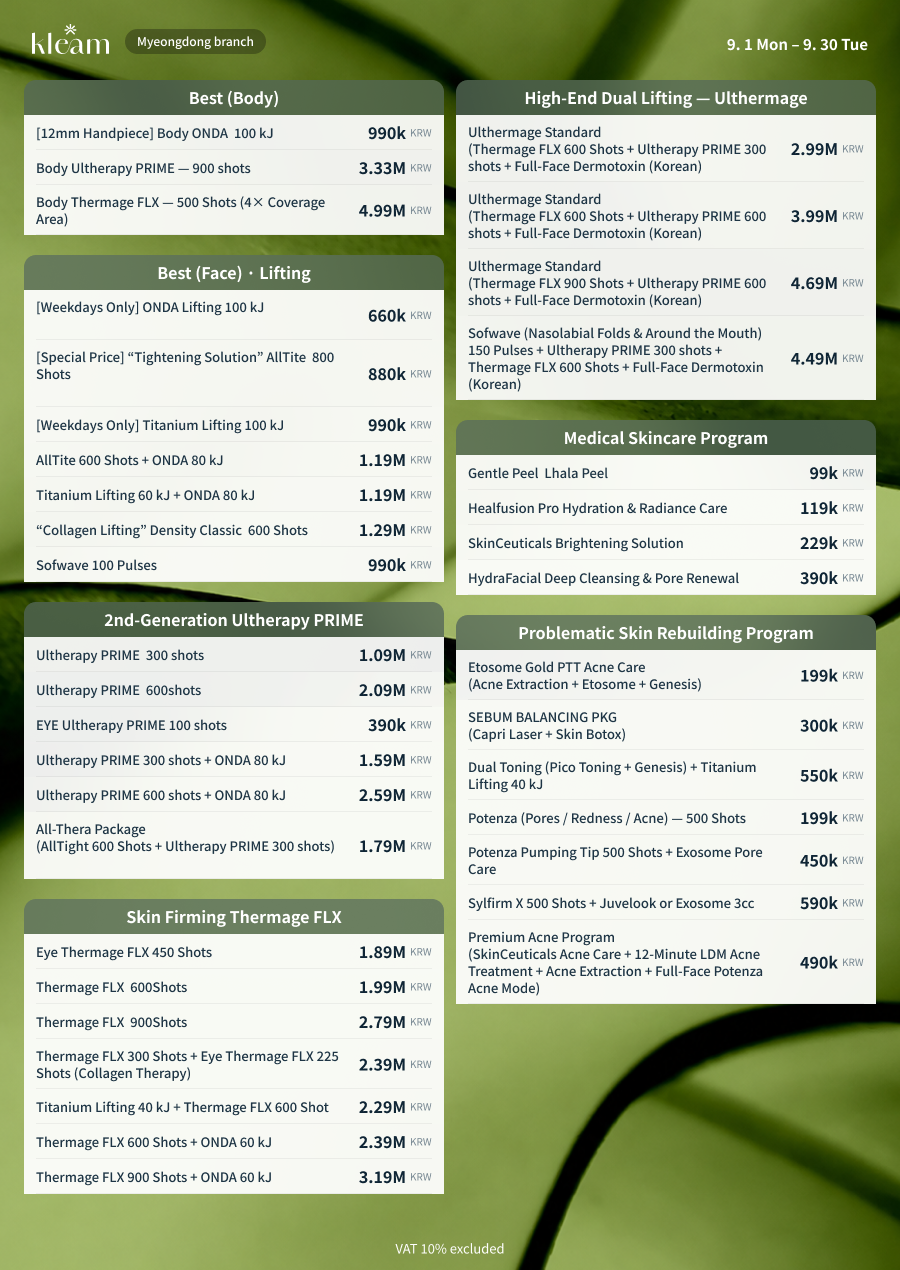
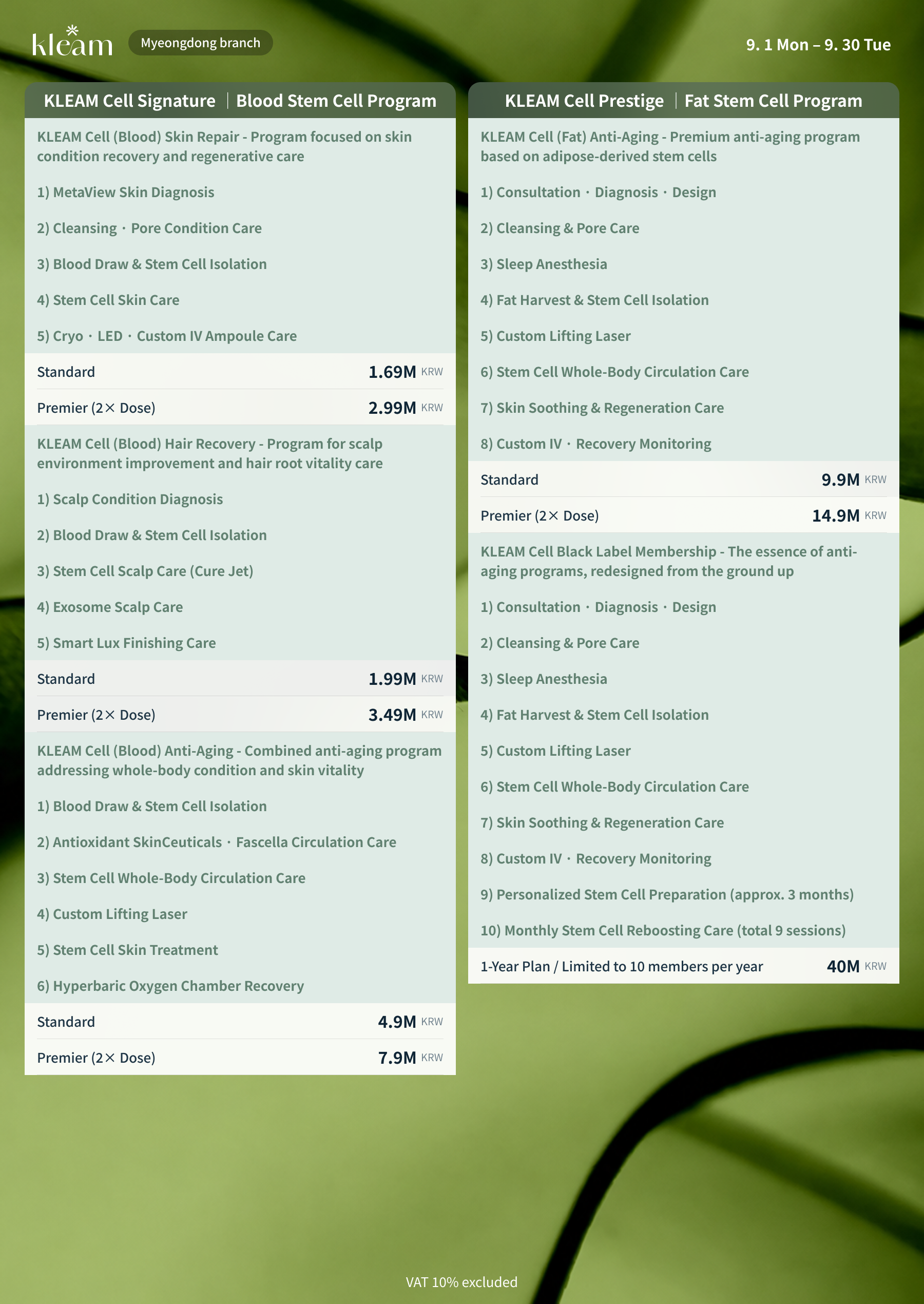
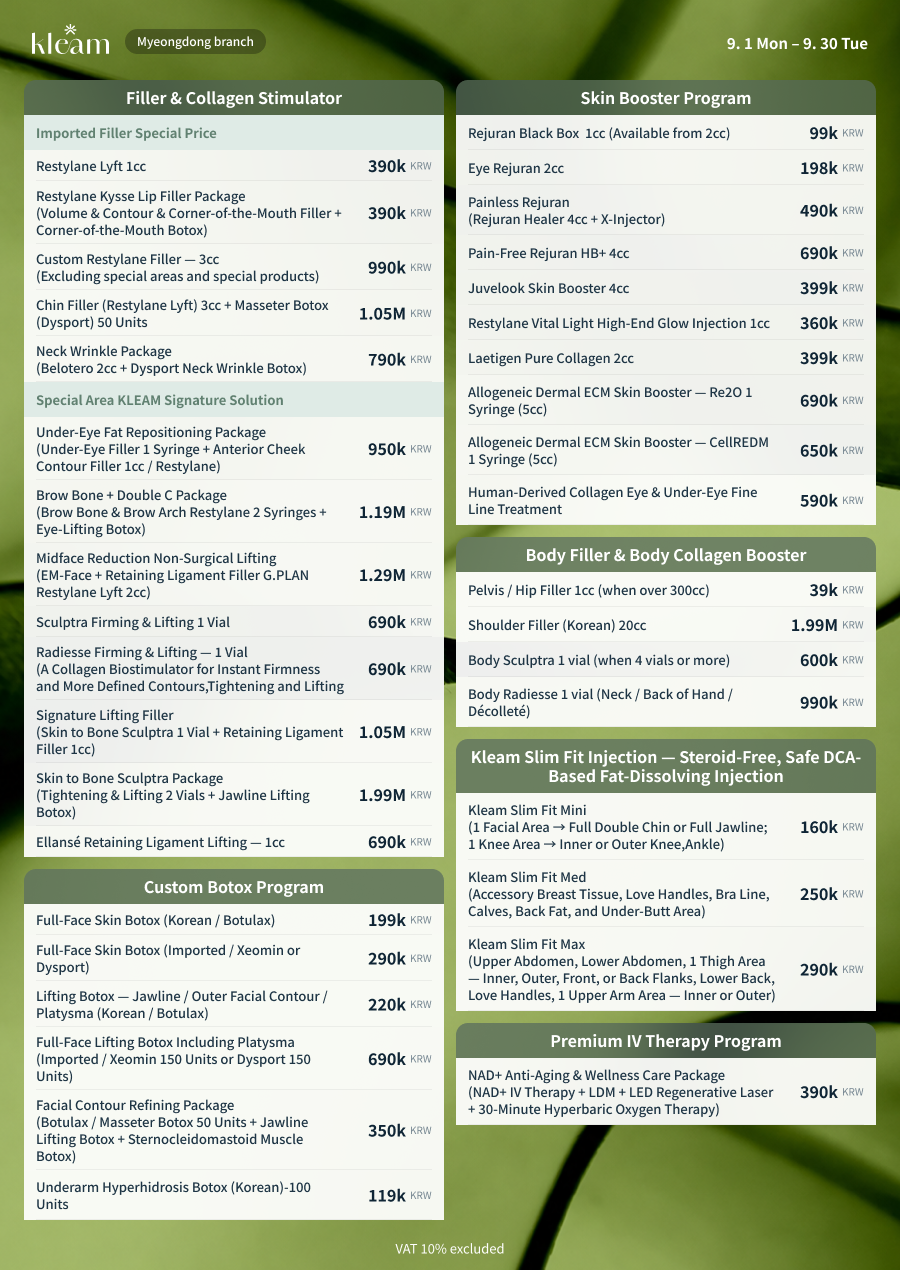
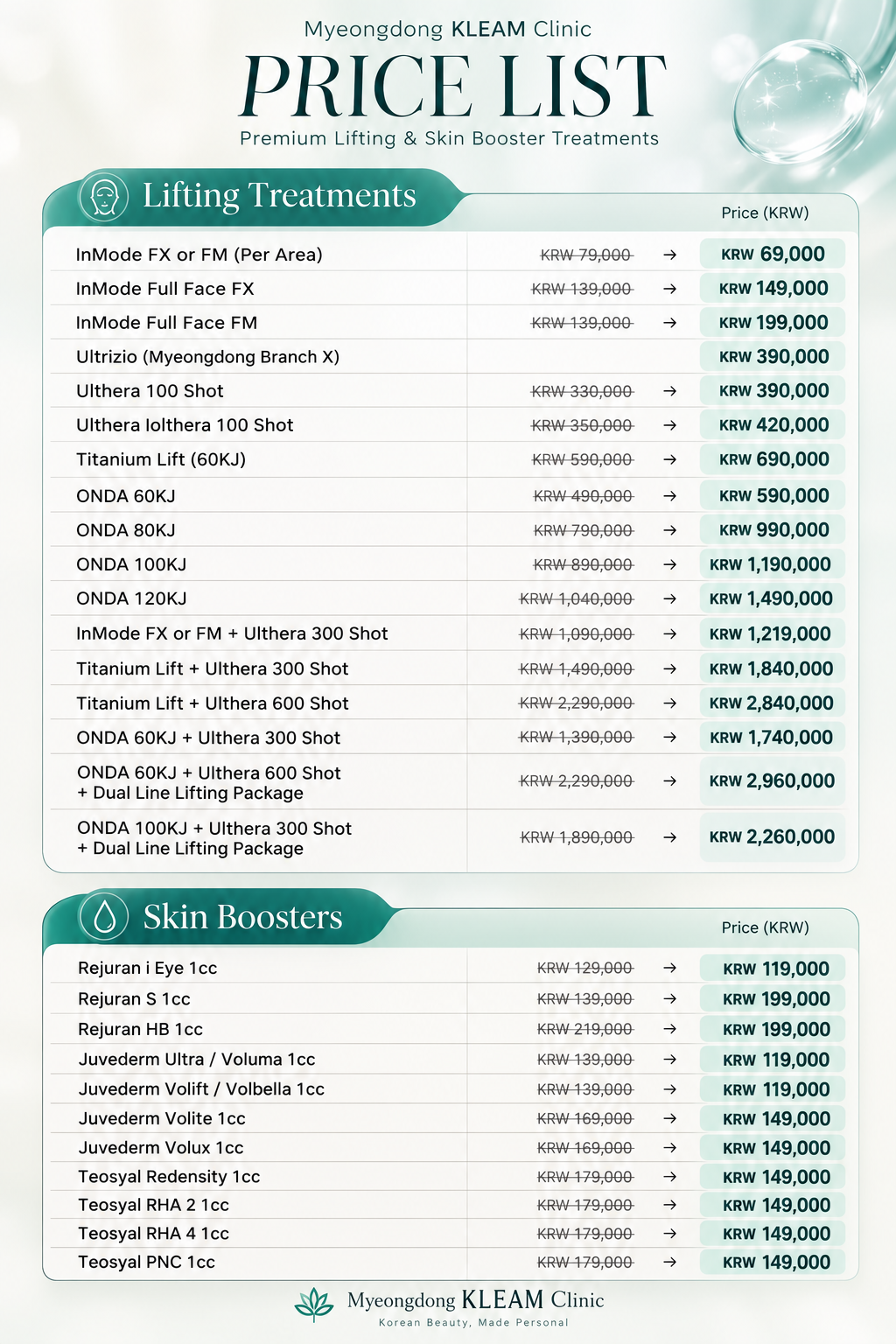
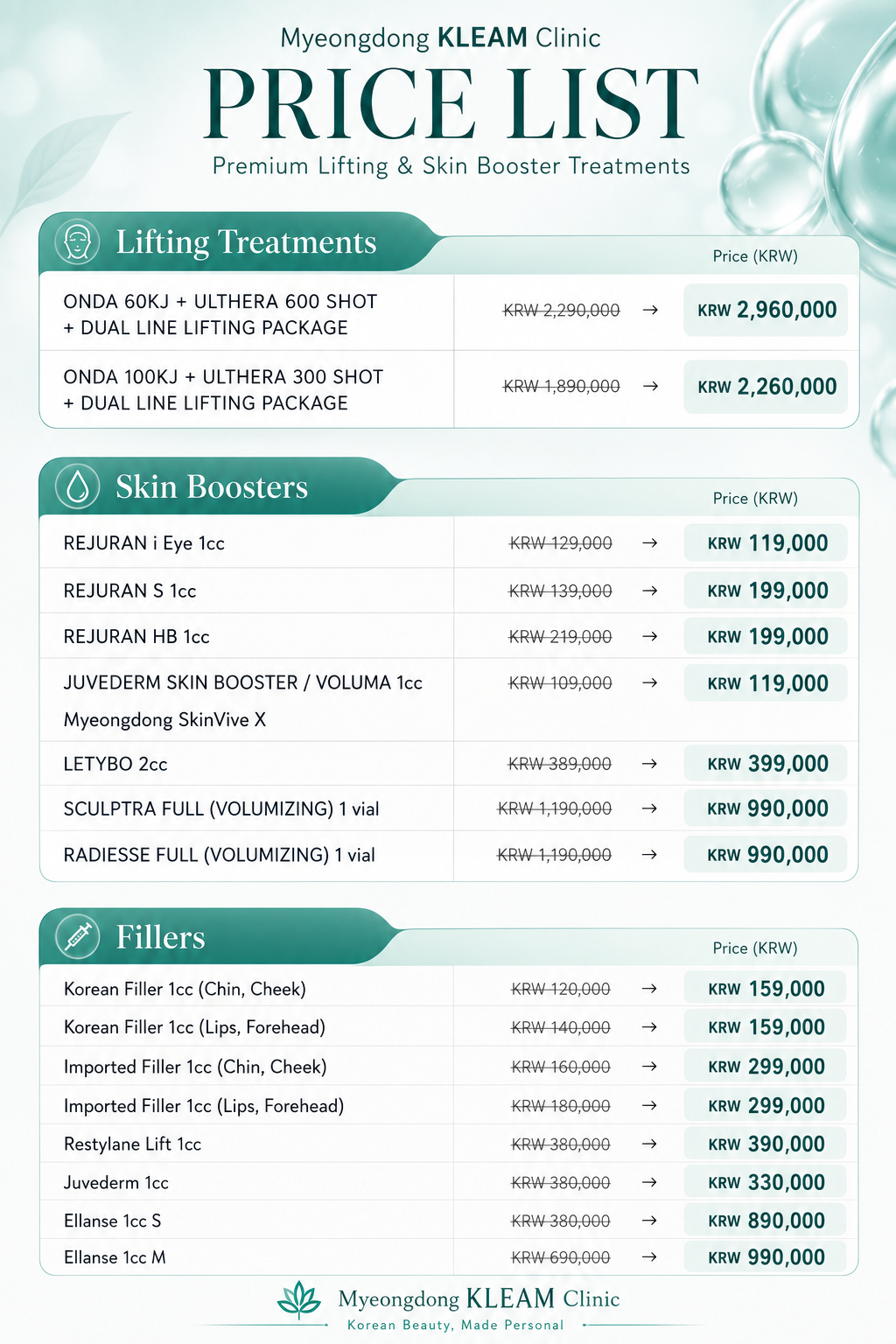
- Kleam Clinic Myeongdong – combination pore care and skin rejuvenation procedures
🧠 Side Effects & Safety
Possible temporary effects include:
- Mild redness
- Temporary swelling
- Skin sensitivity
- Light peeling
To ensure safe treatment:
✔ Choose a certified dermatologist
✔ Confirm proper sterilization and hygiene standards
✔ Follow recommended skincare after treatment
✔ Use sunscreen regularly to protect treated skin