Keloid Scar Treatments in Myeongdong, Seoul
Doctor-led treatment for raised, thick keloid scars, using steroid injections, laser, cryotherapy and topical care planned around the size, location and age of each scar.
What is a keloid? A keloid is an overgrowth of scar tissue that forms as skin heals after an injury, piercing, surgery or acne. Unlike an ordinary scar, it can grow beyond the edges of the original wound, and it may be raised, firm and shiny, itchy or uncomfortable, and pink, red or darker than the surrounding skin. Keloids are common on the chest, shoulders, jawline and earlobes, and treatment aims to flatten them, ease symptoms and reduce the chance of recurrence.

How keloid treatment works
Keloids form when the skin keeps producing collagen after a wound has closed. Treatment works by calming that overactive healing response and reducing the bulk of the scar. Steroid injections placed directly into the keloid reduce inflammation and gradually flatten it, and are the usual first step for fresh or medium-sized keloids. Laser therapy reduces redness, texture and thickness and is often paired with injections for older or more stubborn scars.
Cryotherapy freezes and shrinks smaller keloids, for example on the earlobes or small spots, and topical add-ons such as silicone products support healing and help reduce recurrence. Because keloids can return, most plans involve several sessions a few weeks apart and ongoing scar management. All treatments at Kleam are carried out by doctors using approved methods, and your plan is based on the scar's size, location and how long you have had it.
Kleam Clinic Myeongdong treatment guide · Updated October 2026
Keloid treatment options at Kleam
Your doctor recommends one option or a combination after examining the scar.
Steroid injections
Flatten the scar and reduce inflammation; ideal for fresh or medium-sized keloids.
Laser therapy
Reduces redness, texture and thickness; often paired with injections for older or stubborn keloids.
Cryotherapy
Freezes and shrinks smaller keloids, such as on earlobes or small spots.
Topical add-ons
Support healing and help reduce recurrence as part of ongoing scar care.
Symptom relief
Treatment can ease the itching and discomfort that keloids often cause.
Combined plans
Custom combinations for long-term improvement of larger or recurring keloids.
Who it is best for
- Raised, firm scars after piercings, surgery, injuries or acne
- Itchy or uncomfortable keloids
- Earlobe keloids after ear piercing
- Scars on the chest, shoulders or jawline that keep growing
- Visitors and expats who want a clear plan explained in English
When to wait
- The wound is still open or healing; let it close first
- The scar is changing quickly, bleeding or looks unusual; it should be checked medically first
- You are pregnant or breastfeeding (some options are avoided)
- You have an infection in or around the scar
- You want surgical excision; this is planned separately and needs follow-up to prevent recurrence
Your keloid treatment step by step
1. Scar assessment
A doctor examines the scar's size, location, colour and age and asks about its history.
2. Treatment plan
You receive a clear plan and quote: injection, laser, cryotherapy, topical care or a combination.
3. Treatment
The chosen treatment is performed by a doctor; most sessions are short.
4. Follow-up
Sessions are repeated a few weeks apart, with topical care at home to reduce recurrence.
How much does keloid treatment cost in Seoul?
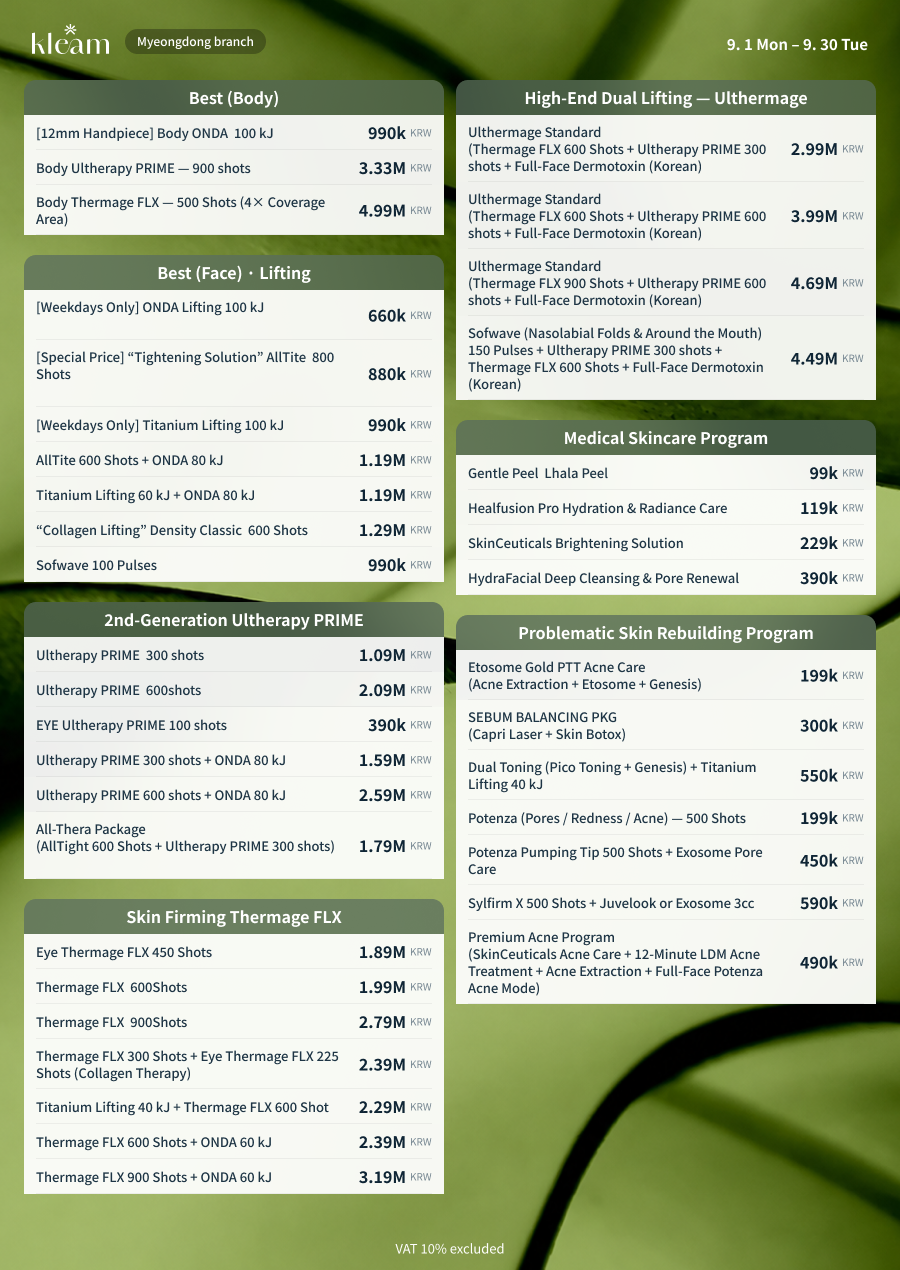
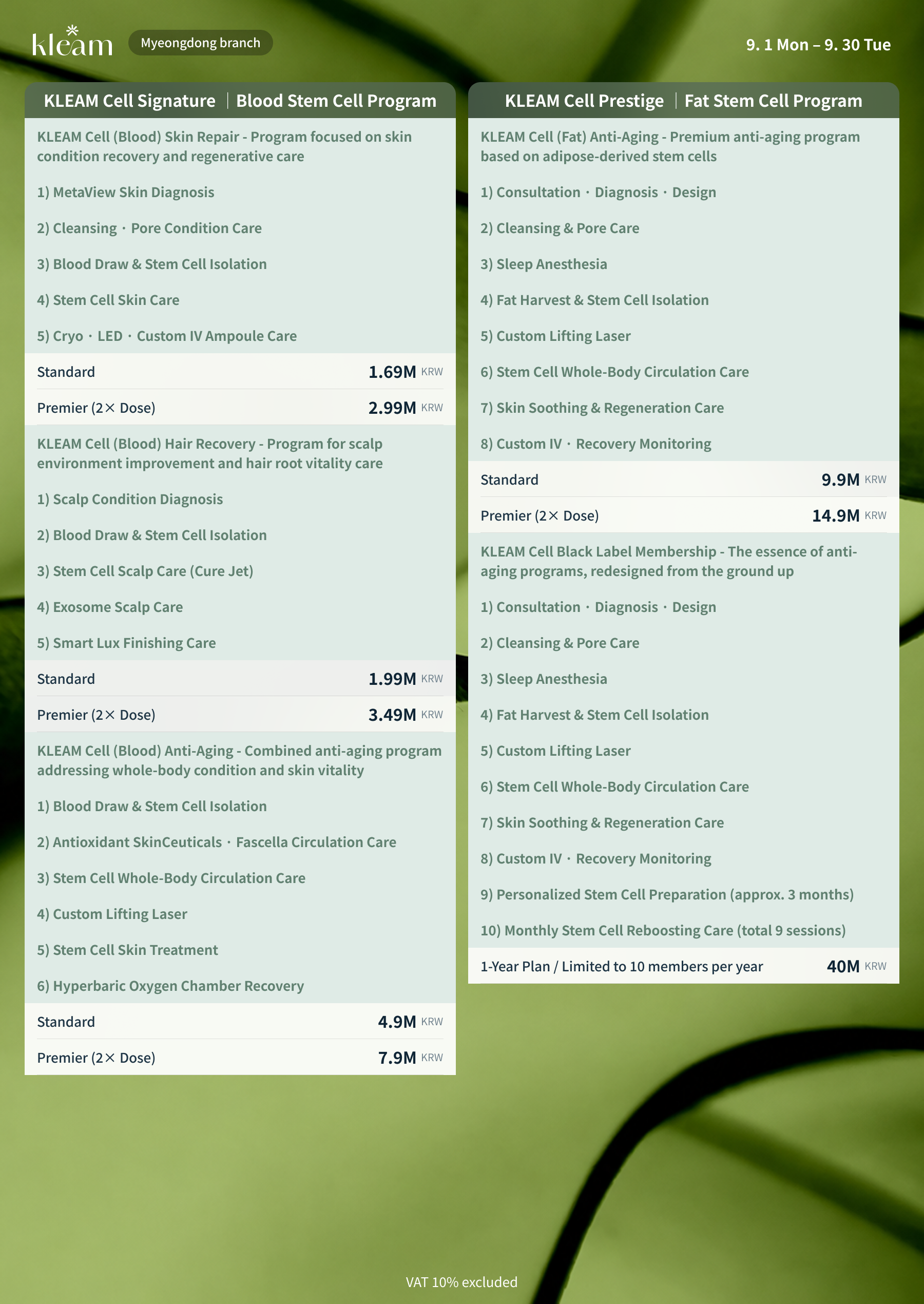
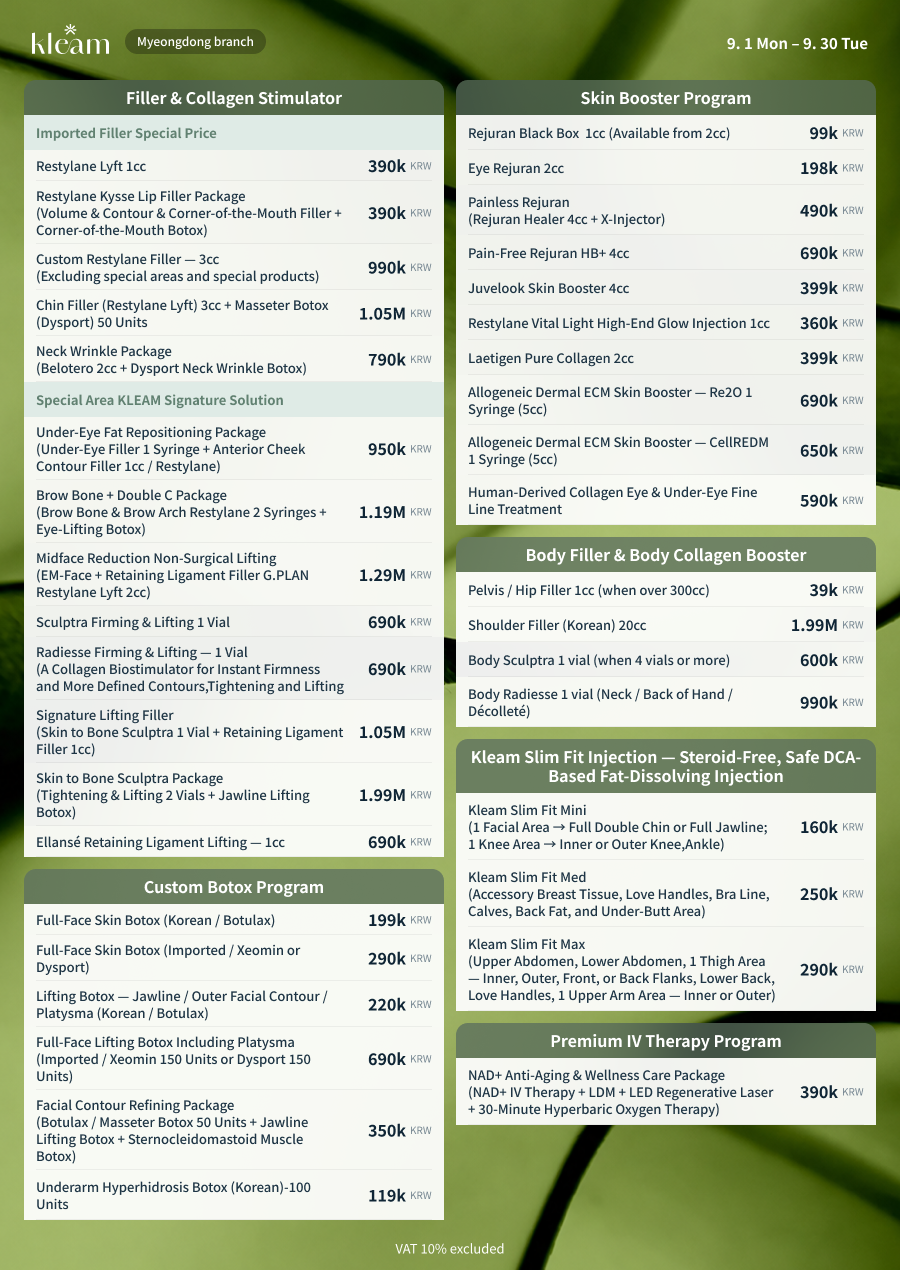
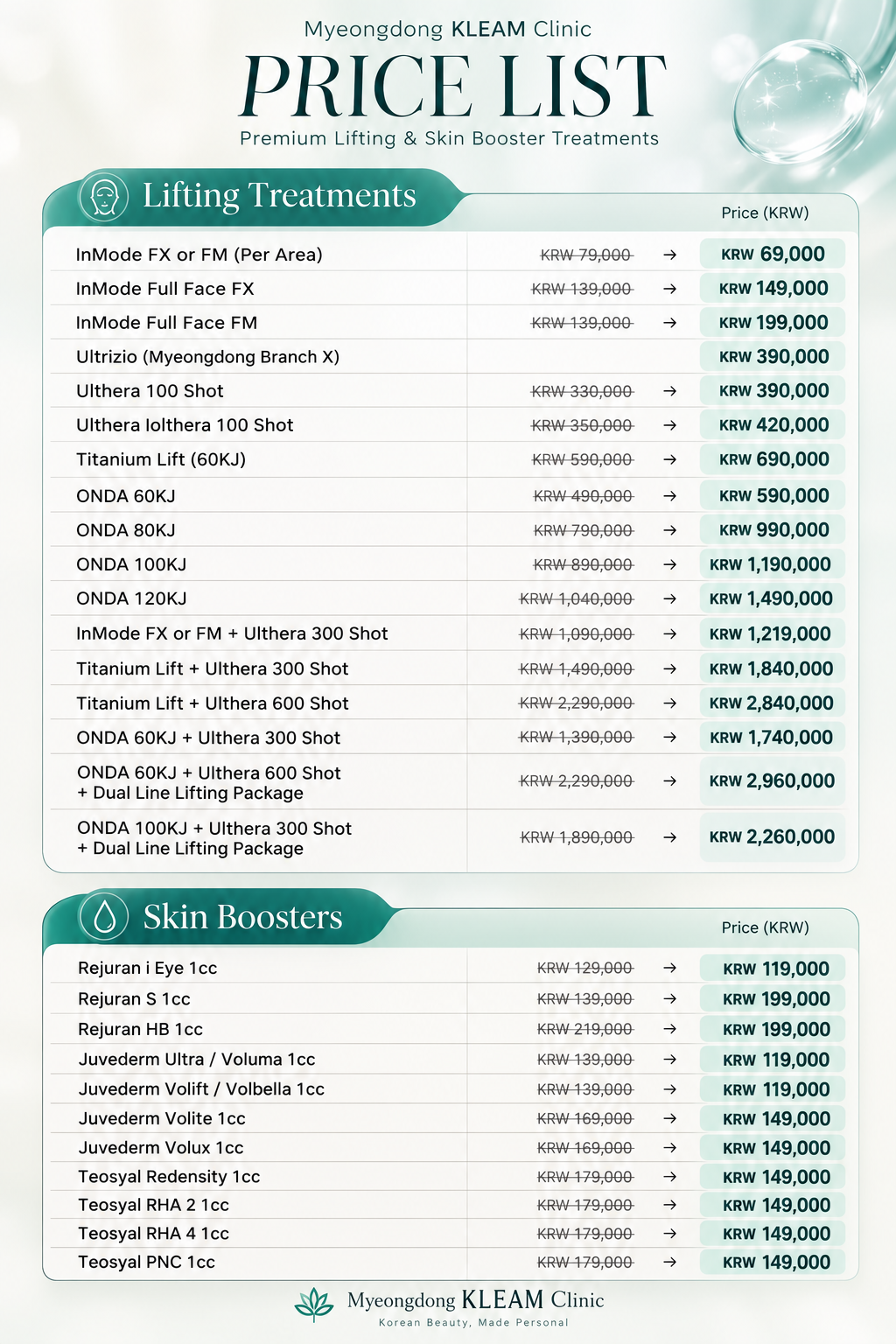
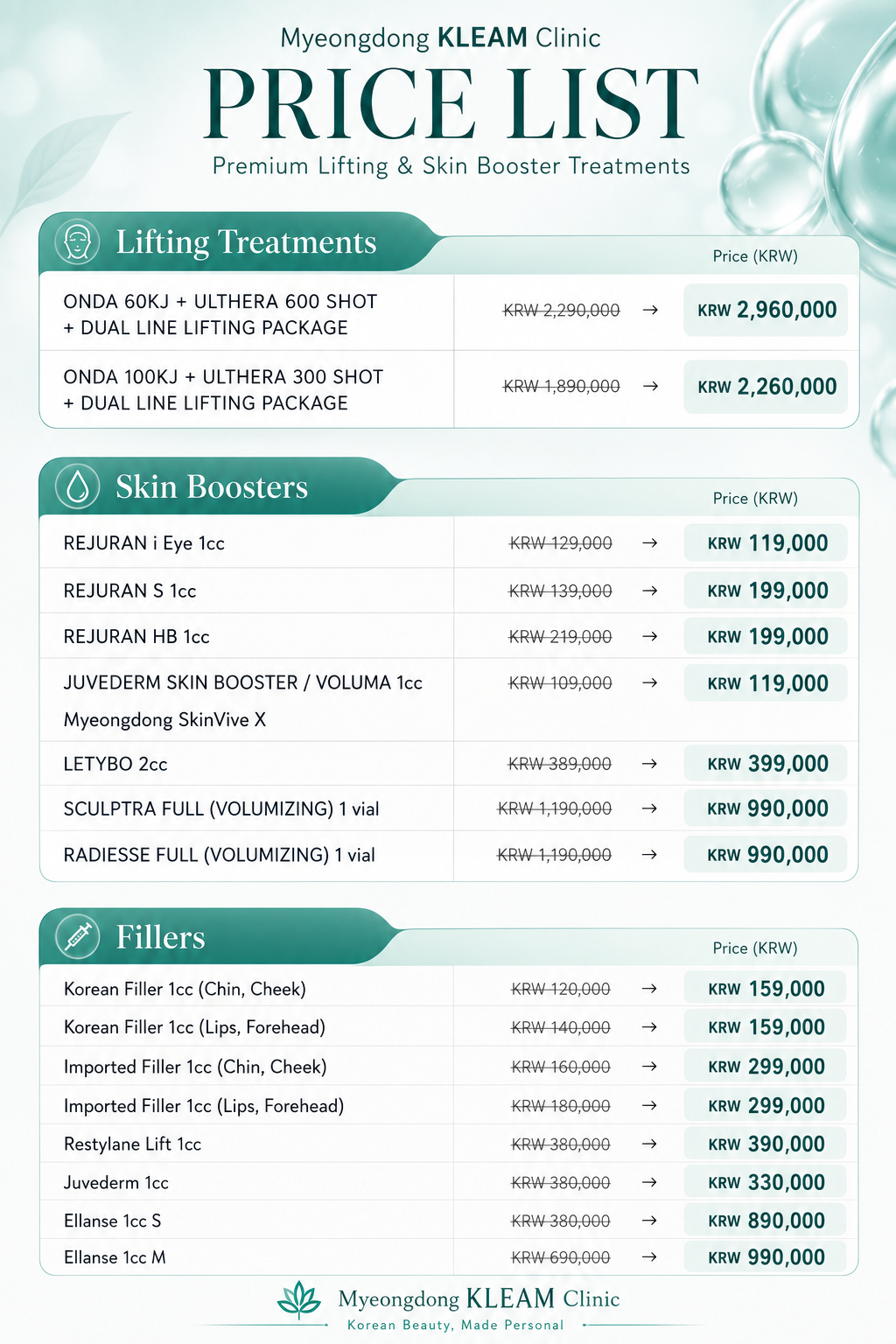
Pricing depends on the area and product; see the price list or ask on WhatsApp. The final cost depends on the size of the scar, the method and the number of sessions, and your doctor will give you a clear quote before treatment.
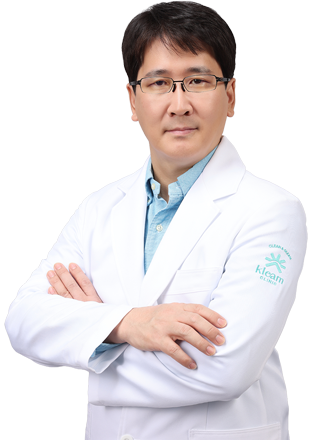
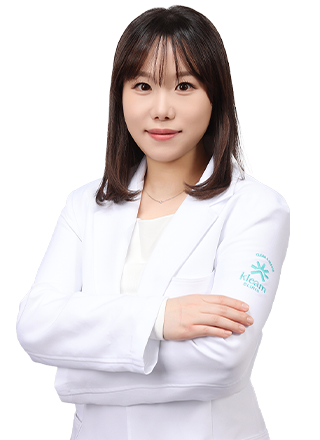
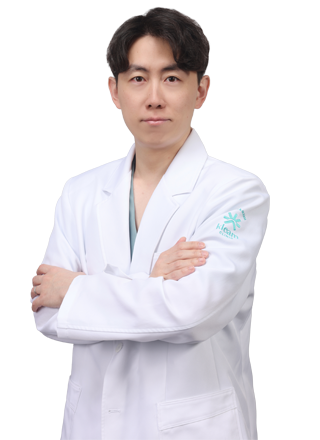
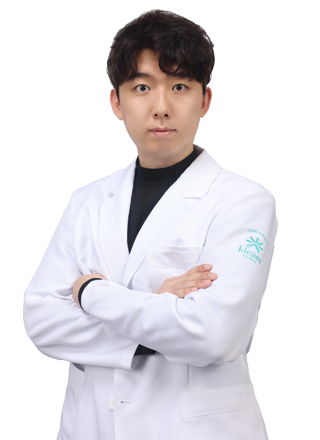
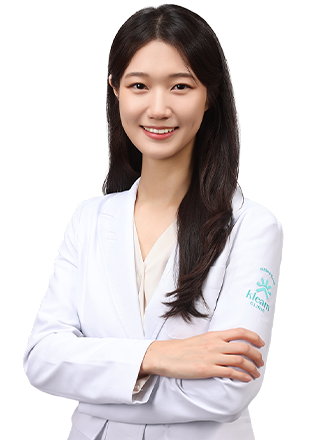
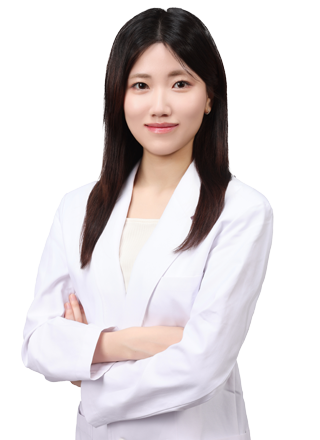
Your treatment is performed by experienced doctors
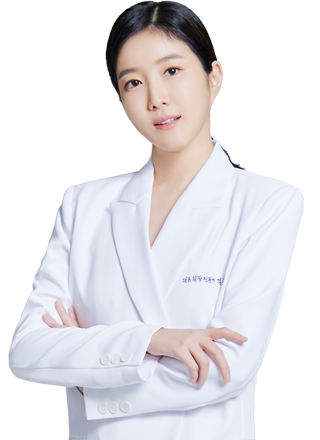
Kleam's physicians include key medical trainers for Restylane, Belotero, Radiesse and Ultherapy, and every treatment is planned with you in person.
Keloid treatment in Seoul: frequently asked questions
Clear answers to what international guests ask most before booking.
What is the difference between a keloid and a normal scar?
A normal or hypertrophic scar stays within the original wound. A keloid grows beyond the wound edges and can keep growing over time.
Which keloid treatment is best?
It depends on the scar. Steroid injections suit fresh or medium-sized keloids, laser helps older or stubborn ones, and cryotherapy works well for small keloids such as on earlobes. Combinations are common.
How many sessions will I need?
Most keloids need several sessions a few weeks apart. Your doctor will estimate this at your first visit.
Can keloids come back?
Yes, keloids can recur, which is why plans include follow-up sessions and topical care to reduce the risk.
Does treatment hurt?
Injections and cryotherapy cause brief discomfort; numbing can be used. Most sessions are short.
Can I start treatment during a trip to Seoul?
Yes. You can have an assessment and first session during your visit and plan follow-up sessions for later trips.
Where is Kleam Clinic Myeongdong and when is it open?
Kleam Clinic is on the 4th and 5th floors of 43 Myeongdong-gil, Jung-gu, Seoul, in the heart of the Myeongdong shopping streets, about a minute's walk from Myeongdong Station (Line 4) Exit 7. It is open weekdays 09:00–20:00 and weekends 09:00–18:00, with no lunch break.
Do the doctors and staff speak English?
Yes. English-, Chinese- and Japanese-speaking coordinators support you from booking on WhatsApp through consultation and aftercare.
Related treatments in Myeongdong
Acne Scar Treatment
Fraxel, subcision and boosters for depressed acne scars.
Read the guide →Redness Treatment
Laser treatment for redness and visible vessels, including red scars.
Read the guide →Fraxel Laser
Fractional laser resurfacing for scars and texture.
Read the guide →Rejuran
A PN skin booster, including Rejuran S for scar care.
Read the guide → Book a consultation
Plan your visit to Kleam Myeongdong
Message our English-speaking coordinators on WhatsApp for a consultation, a personalised quote and help choosing the right plan before you arrive.