Sun Damage Treatment in Myeongdong
Sun damage occurs when prolonged exposure to UV rays causes pigmentation, redness, fine lines, and uneven skin texture. Korean dermatology clinics offer specialized treatments to repair and prevent sun-induced skin damage, improve skin tone, and stimulate collagen production.
In Myeongdong, Seoul, many clinics provide advanced dermatology procedures that target sunspots, redness, and photoaging. These treatments help restore a more even complexion, improve skin texture, and maintain long-term skin health.
🔥 What Is Sun Damage Treatment?
Sun damage treatments focus on repairing pigmentation, reducing redness, and rejuvenating photo-aged skin.
These treatments can:
✔ Reduce sun-induced pigmentation and dark spots
✔ Improve uneven skin tone and texture
✔ Stimulate collagen for firmer, smoother skin
✔ Minimize fine lines caused by UV exposure
✔ Protect and strengthen the skin against future sun damage
Professional dermatology procedures work by targeting damaged skin cells, promoting regeneration, and restoring a more youthful, even complexion.
💉 Types of Sun Damage Treatments
🔦 Intense Pulsed Light (IPL) / Photofacial
- Broad-spectrum light targets pigmentation, redness, and vascular spots
- Improves overall skin tone and clarity
- Commonly used for sun spots and mild photoaging
- Minimal downtime
✨ Fractional Laser (Fraxel-type)
- Creates microscopic treatment zones to stimulate collagen
- Reduces fine lines, pigmentation, and texture irregularities
- Improves overall skin smoothness and elasticity
🧬 Laser Toning (Nd:YAG)
- Gentle low-energy laser for gradual pigmentation reduction
- Suitable for regular maintenance and skin brightening
- Helps even out complexion and refine pores
🌈 Chemical Peels (AHA / LHA / TCA Peels)
- Exfoliates damaged outer skin layers
- Reduces sun-induced pigmentation and roughness
- Improves skin clarity and brightness
- Often combined with hydration therapies
📍 Benefits of Sun Damage Treatments
✔ Reduces pigmentation and sun spots
✔ Improves skin texture and tone
✔ Stimulates natural collagen production
✔ Non-surgical skin rejuvenation
✔ Short procedure time with minimal downtime
🧠 Ideal Candidates
Sun damage treatments are suitable for individuals with:
- Sun-induced dark spots or pigmentation
- Uneven skin tone or rough texture
- Early signs of photoaging (fine lines, loss of elasticity)
- Redness or vascular concerns caused by UV exposure
- Dull or dehydrated skin
Individuals with active skin infections or very sensitive skin should consult a dermatologist before treatment.
🌟 Typical Treatment Areas
- Full face: Overall skin rejuvenation and even tone
- Cheeks: Sun spot and pigmentation reduction
- Nose: Refined texture and pore appearance
- Forehead: Smoothness and reduction of fine lines
- Neck: Sun damage repair and skin brightening
🪡 What to Expect During the Procedure
- Skin consultation and sun damage assessment
- Cleansing and protective preparation
- Targeted treatment using laser, IPL, or chemical peel
- Cooling or calming mask application
- Post-treatment skincare and sunscreen application
Most sessions take 20–40 minutes depending on the treatment area.
🕒 Recovery & Downtime
✔ Mild redness or warmth for 1–3 days
✔ Possible temporary darkening of pigmentation
✔ Light peeling or dryness after exfoliation treatments
✔ Avoid sun exposure for several days
✔ Gradual improvement in skin tone and texture after multiple sessions
Gentler lasers such as IPL or laser toning often have minimal downtime compared to stronger resurfacing lasers.
⭐ Sun Damage Treatment Clinics in Myeongdong
Several dermatology clinics in Myeongdong provide professional sun damage treatments:
- Re:Berry Clinic Myeongdong – personalized pigmentation and rejuvenation programs
- Lijin Clinic Myeongdong – advanced laser and IPL treatments for sun spots
- Val:U Clinic Myeongdong – dermatology-focused skin brightening and anti-aging procedures
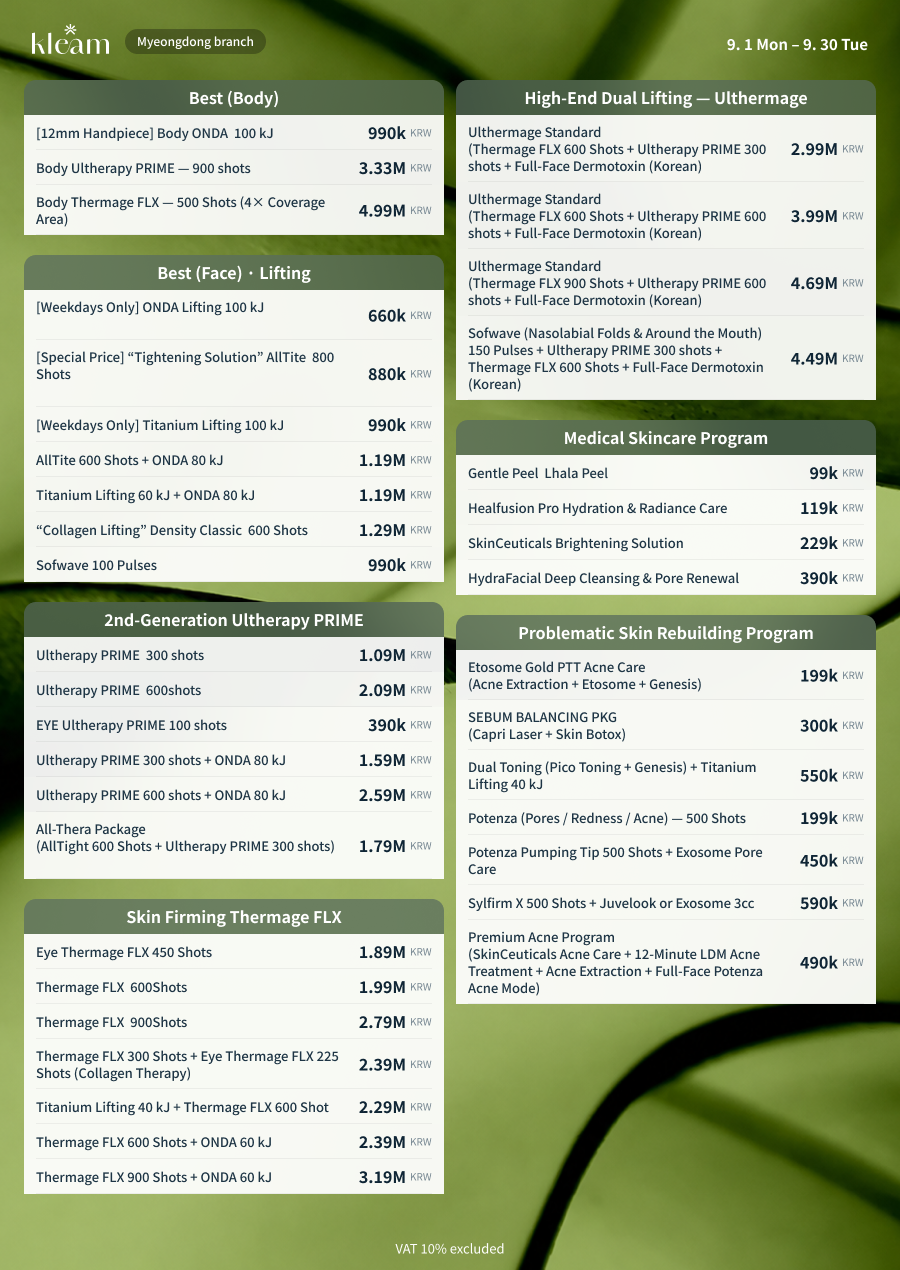
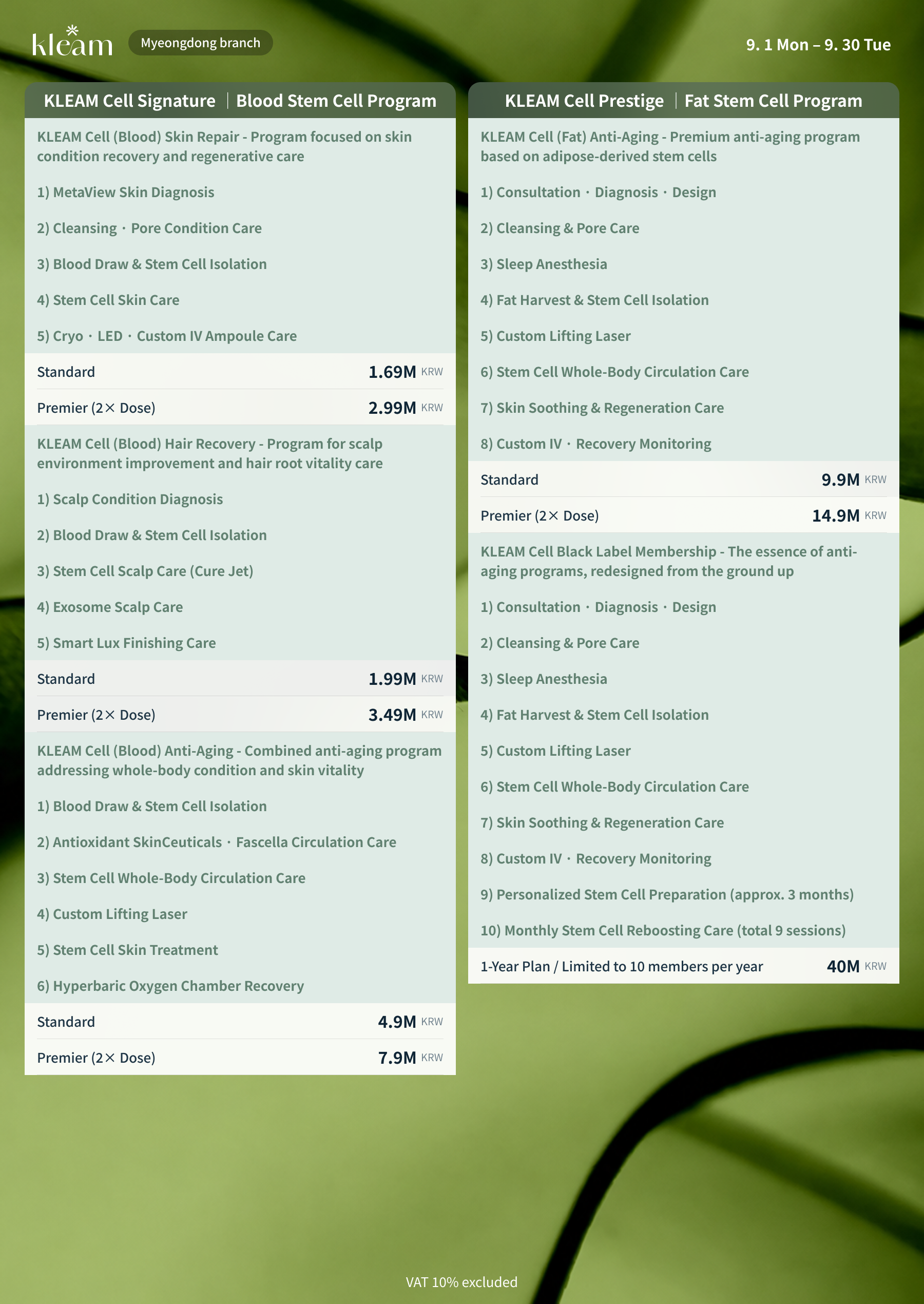
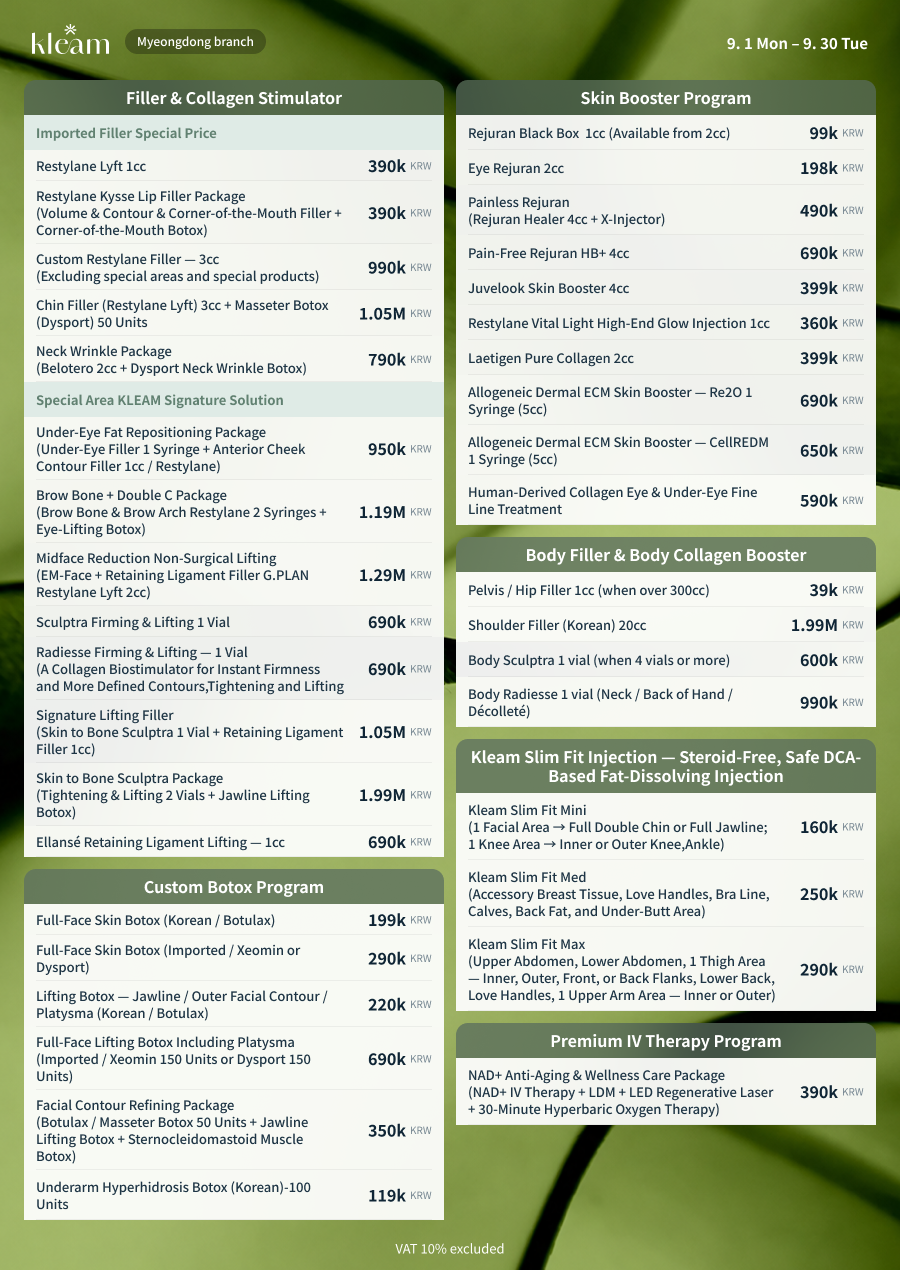
- Kleam Clinic Myeongdong – combination laser and chemical peel treatments
🧠 Side Effects & Safety
Possible temporary effects include:
- Mild redness
- Temporary swelling
- Skin sensitivity
- Light peeling after exfoliation
To ensure safe treatment:
✔ Choose a certified dermatologist
✔ Confirm clinic hygiene and sterilization standards
✔ Follow proper aftercare instructions
✔ Use sunscreen daily to protect treated skin