Rosacea Treatment in Korean Dermatology Clinics
Rosacea is a chronic skin condition that causes persistent facial redness, flushing, visible blood vessels, and skin sensitivity. Korean dermatology clinics offer specialized treatments designed to calm inflammation, strengthen the skin barrier, and reduce vascular redness for clearer and more balanced skin.
In Korea, rosacea management typically combines vascular laser treatments, soothing skin therapies, and medical treatments to control inflammation and prevent flare-ups. Dermatologists often create personalized programs based on rosacea type and severity.
🔥 What Is Rosacea Treatment?
Rosacea treatment focuses on reducing redness, calming inflammation, and improving skin stability.
These treatments can:
✔ Reduce facial redness and flushing
✔ Improve visible capillaries and broken blood vessels
✔ Calm skin sensitivity and irritation
✔ Reduce rosacea-related bumps and inflammation
✔ Strengthen the skin barrier
Most rosacea treatments work by targeting dilated blood vessels and controlling inflammatory triggers that cause redness and flare-ups.
💉 Types of Rosacea Treatments
🔦 Vascular Laser (V-Beam / Pulsed Dye Laser)
- Targets dilated blood vessels responsible for facial redness
- Reduces persistent flushing and broken capillaries
- One of the most common rosacea treatments in dermatology clinics
- Minimal damage to surrounding skin
✨ IPL Photofacial
- Uses broad-spectrum light to treat diffuse redness
- Improves skin tone and reduces vascular discoloration
- Often used for mild rosacea and sun damage
- Helps brighten overall complexion
🧬 Laser Genesis (Nd:YAG Laser)
- Gentle laser that targets redness and inflammation
- Stimulates collagen and improves skin texture
- Helps reduce flushing and background redness
- Suitable for sensitive rosacea-prone skin
💧 LDM Ultrasound Therapy
- Micro-ultrasound treatment that reduces inflammation
- Helps strengthen the skin barrier
- Improves skin hydration and sensitivity
- Often used for sensitive rosacea skin
🧪 Medical Rosacea Therapy
- Dermatologist-prescribed creams or medication
- Includes azelaic acid, metronidazole, or ivermectin
- Helps control inflammation and bumps
- Often combined with laser treatments for better results
📍 Benefits of Rosacea Treatments
✔ Reduces persistent redness and flushing
✔ Improves visible blood vessels
✔ Calms sensitive and reactive skin
✔ Strengthens the skin barrier
✔ Personalized treatment combinations available
🧠 Ideal Candidates
Rosacea treatments are suitable for individuals with:
- Persistent facial redness
- Visible broken capillaries
- Flushing triggered by heat, alcohol, or stress
- Rosacea-related bumps or irritation
- Sensitive skin with inflammation
People with severe skin infections or active dermatitis should consult a dermatologist before treatment.
🌟 Typical Treatment Areas
- Cheeks: persistent redness and flushing
- Nose: visible capillaries and redness
- Chin: rosacea-related bumps
- Forehead: diffuse redness
- Full face: overall redness control
🪡 What to Expect During the Procedure
- Skin consultation and rosacea assessment
- Cleansing and protective preparation
- Vascular laser or redness treatment procedure
- Cooling mask or calming therapy
- Post-treatment skincare and sun protection
Most sessions take 15–30 minutes depending on the treatment method and area.
🕒 Recovery & Downtime
✔ Mild redness for several hours to 1–2 days
✔ Temporary warmth or skin sensitivity
✔ Avoid heat, alcohol, and sun exposure after treatment
✔ Gradual redness reduction after multiple sessions
✔ Visible improvement after 3–5 sessions
Many patients require several sessions spaced a few weeks apart to maintain long-term redness control.
⭐ Rosacea Treatment Clinics in Myeongdong
Several dermatology clinics in the Myeongdong area offer professional rosacea treatments:
- Re:Berry Clinic Myeongdong – personalized laser treatment programs
- Lijin Clinic Myeongdong – redness and vascular laser treatments
- Val:U Clinic Myeongdong – specialized dermatologic laser services
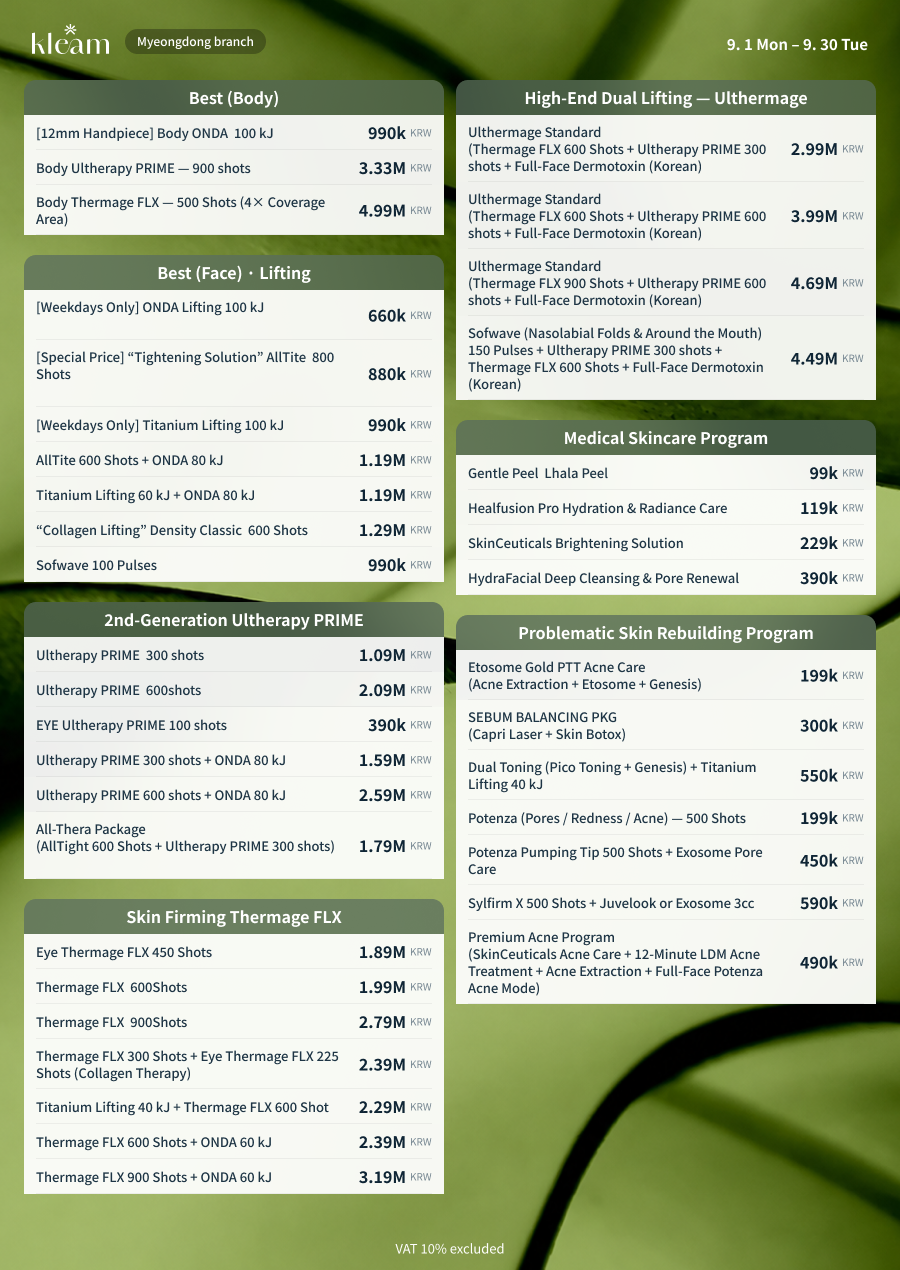
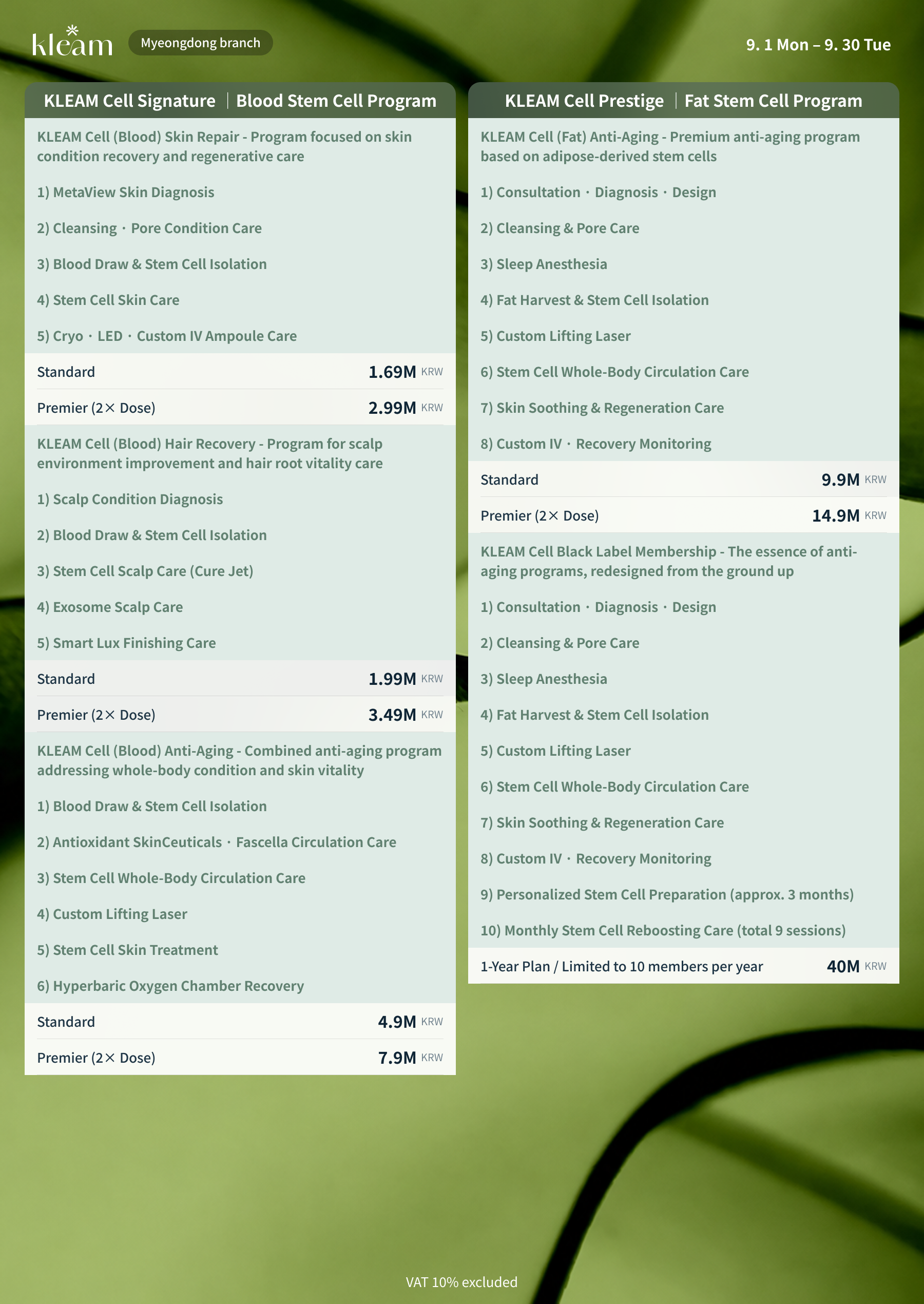
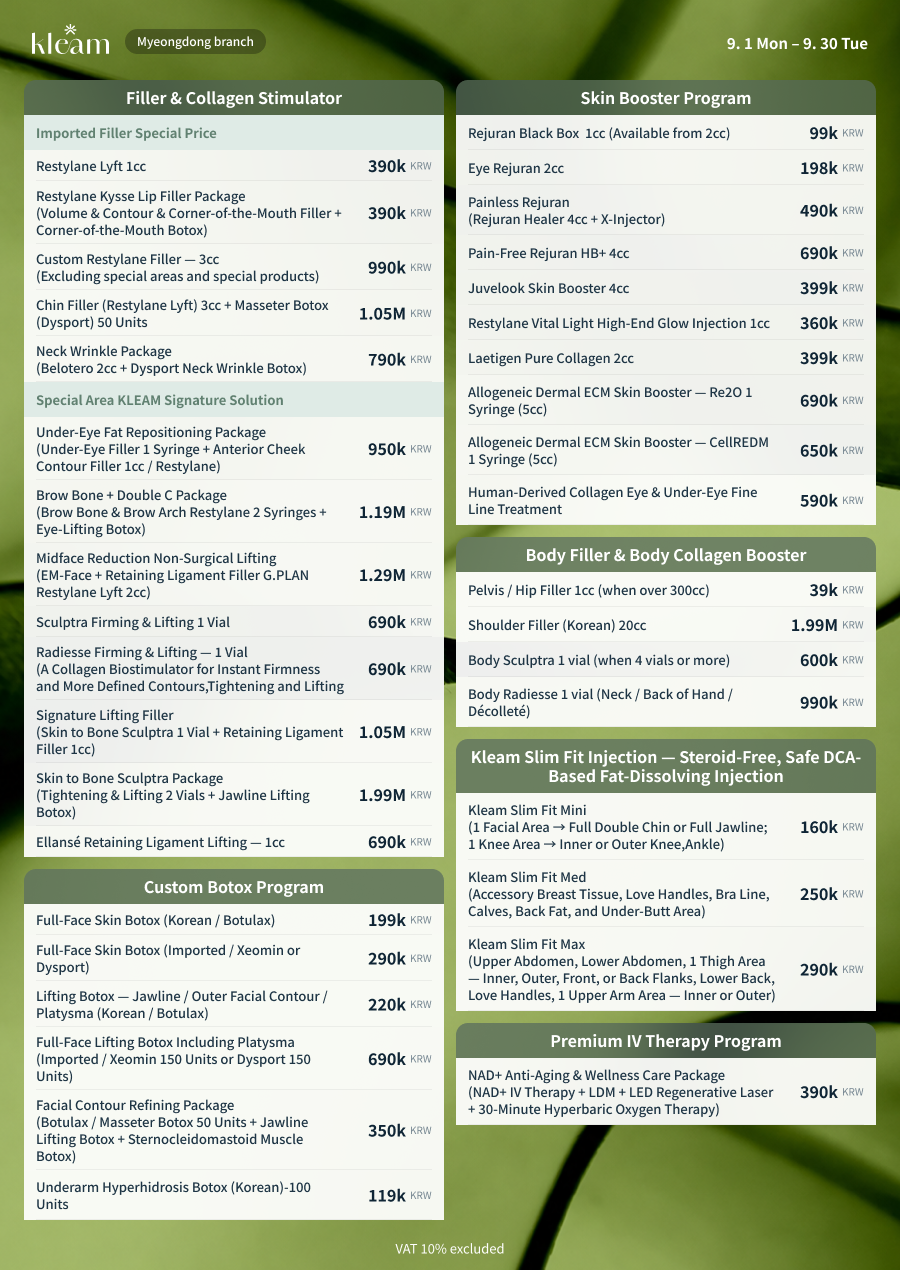
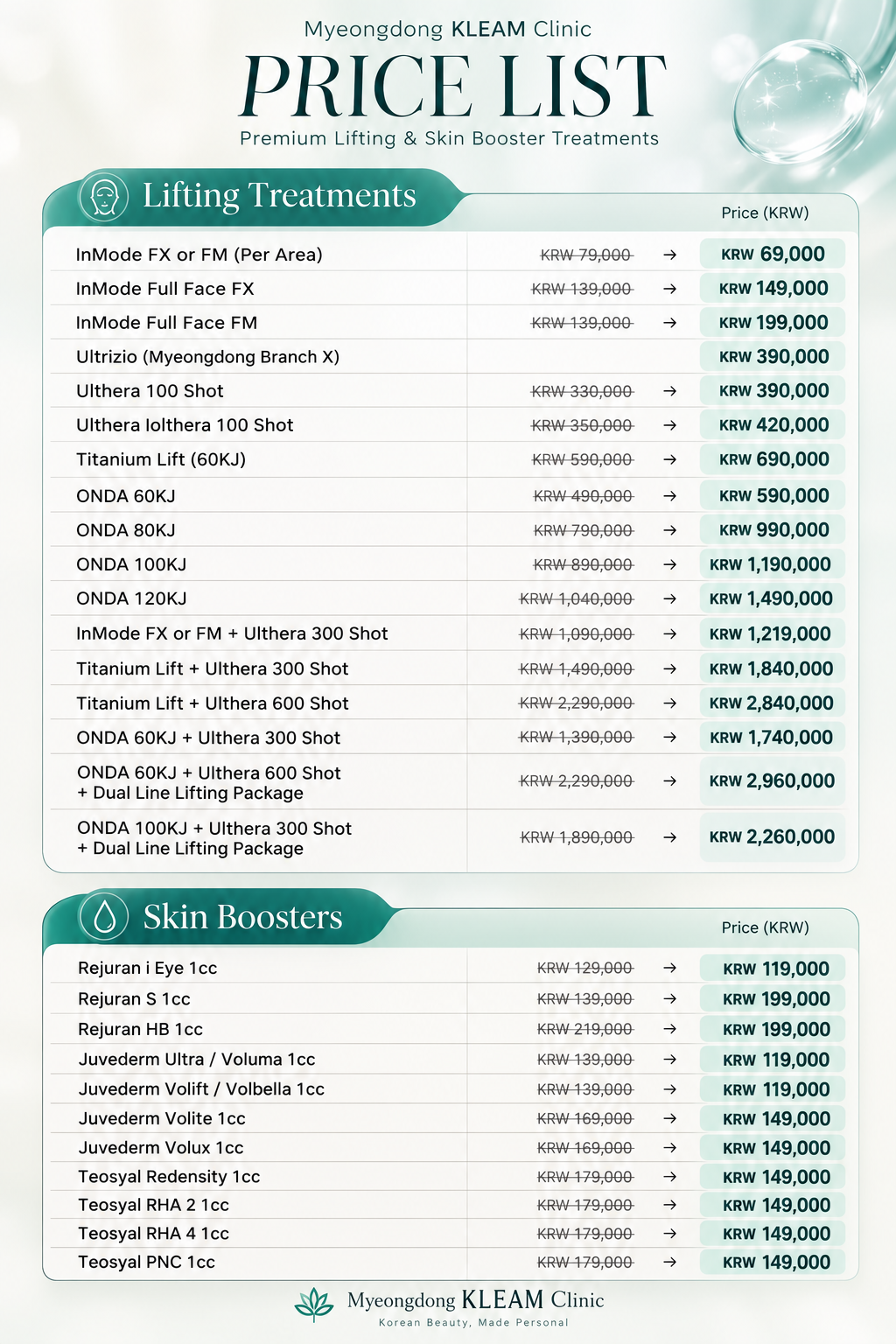
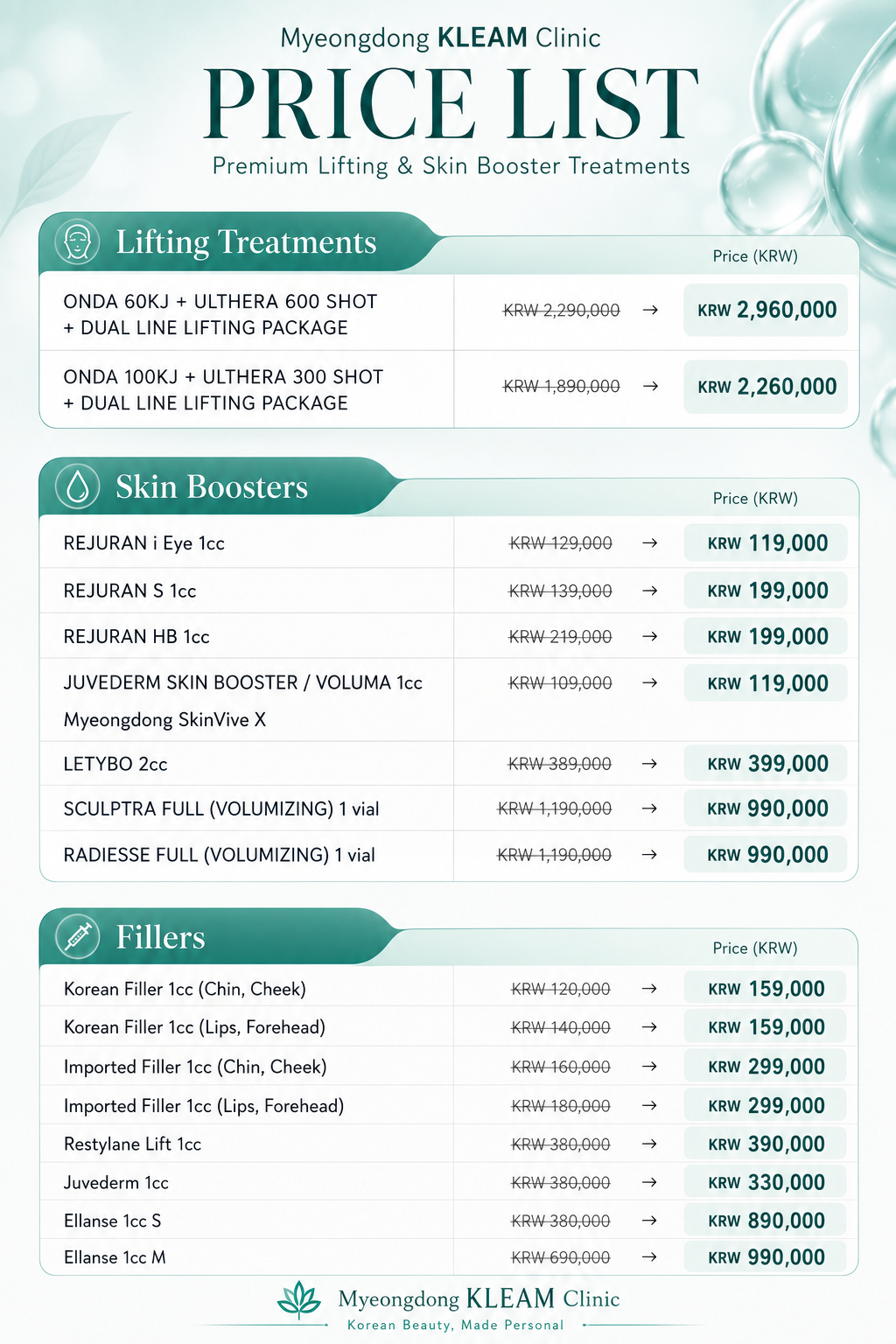
- Kleam Clinic Myeongdong – combined redness and anti-aging treatments
🧠 Side Effects & Safety
Possible temporary effects include:
- Mild redness
- Slight swelling
- Temporary skin sensitivity
- Dryness or irritation
To ensure safe treatment:
✔ Choose a certified dermatologist
✔ Avoid known rosacea triggers
✔ Follow recommended aftercare instructions
✔ Use gentle skincare and daily sunscreen