Redness Treatment in Korean Skin Clinics
Facial redness is a common skin concern caused by conditions such as rosacea, broken capillaries, inflammation, or post-acne marks. Korean dermatology clinics offer specialized treatments designed to target visible blood vessels, calm inflammation, and restore a more even skin tone.
In Korean skin clinics, redness treatment often combines vascular lasers, light-based therapies, and skin barrier repair treatments. These approaches help reduce flushing and improve overall skin stability while minimizing irritation.
🔥 What Is Redness Treatment?
Redness treatments focus on targeting dilated blood vessels and calming skin inflammation.
These treatments can:
✔ Reduce persistent facial redness
✔ Improve broken capillaries and visible blood vessels
✔ Calm flushing and skin irritation
✔ Improve overall skin tone balance
✔ Strengthen the skin barrier
Most redness treatments work by selectively targeting blood vessels in the skin, allowing them to gradually shrink and fade while surrounding tissue remains unharmed.
💉 Types of Redness Treatments
🔦 Vascular Laser (V-Beam / Pulsed Dye Laser)
- Targets hemoglobin in dilated blood vessels
- Reduces persistent facial redness and broken capillaries
- Widely used for rosacea and vascular skin conditions
- Minimal damage to surrounding skin
✨ IPL Photofacial
- Uses broad-spectrum light to treat diffuse redness
- Improves skin tone and vascular discoloration
- Often used for mild rosacea or flushing
- Helps brighten overall complexion
🧬 Laser Genesis (Nd:YAG Laser)
- Gentle laser treatment targeting redness and inflammation
- Stimulates collagen while improving skin texture
- Helps reduce flushing and background redness
- Suitable for sensitive skin
💧 LDM Ultrasound Therapy
- Uses ultrasound energy to reduce inflammation
- Helps strengthen the skin barrier
- Improves hydration and skin stability
- Often used for sensitive or rosacea-prone skin
🧪 Skin Barrier Repair Therapy
- Medical skincare treatments focused on hydration and calming
- Often includes soothing serums and antioxidant care
- Helps restore damaged or sensitive skin
- Commonly combined with laser redness treatments
📍 Benefits of Redness Treatments
✔ Reduces visible facial redness
✔ Improves broken capillaries
✔ Calms inflamed and sensitive skin
✔ Strengthens the skin barrier
✔ Personalized treatment combinations available
🧠 Ideal Candidates
Redness treatments are suitable for individuals with:
- Persistent facial redness
- Rosacea-related flushing
- Broken capillaries or visible blood vessels
- Post-acne redness
- Sensitive or reactive skin
People with active skin infections or severe inflammatory skin conditions should consult a dermatologist before treatment.
🌟 Typical Treatment Areas
- Cheeks: persistent redness and flushing
- Nose: broken capillaries
- Chin: inflammatory redness
- Forehead: diffuse redness
- Full face: overall redness control
🪡 What to Expect During the Procedure
- Skin consultation and redness evaluation
- Cleansing and protective preparation
- Vascular laser or light-based treatment
- Cooling mask or calming therapy
- Post-treatment skincare and sunscreen application
Most sessions take 15–30 minutes depending on the treatment area and technology used.
🕒 Recovery & Downtime
✔ Mild redness for several hours to 1–2 days
✔ Temporary warmth or skin sensitivity
✔ Gradual improvement after multiple sessions
✔ Avoid heat and sun exposure after treatment
✔ Visible redness reduction over time
Many patients require 3–5 sessions spaced several weeks apart to achieve stable and long-term redness reduction.
⭐ Redness Treatment Clinics in Myeongdong
Several dermatology clinics in the Myeongdong area offer professional redness treatments:
- Re:Berry Clinic Myeongdong – personalized laser treatment programs
- Lijin Clinic Myeongdong – redness and vascular laser treatments
- Val:U Clinic Myeongdong – specialized dermatologic laser services
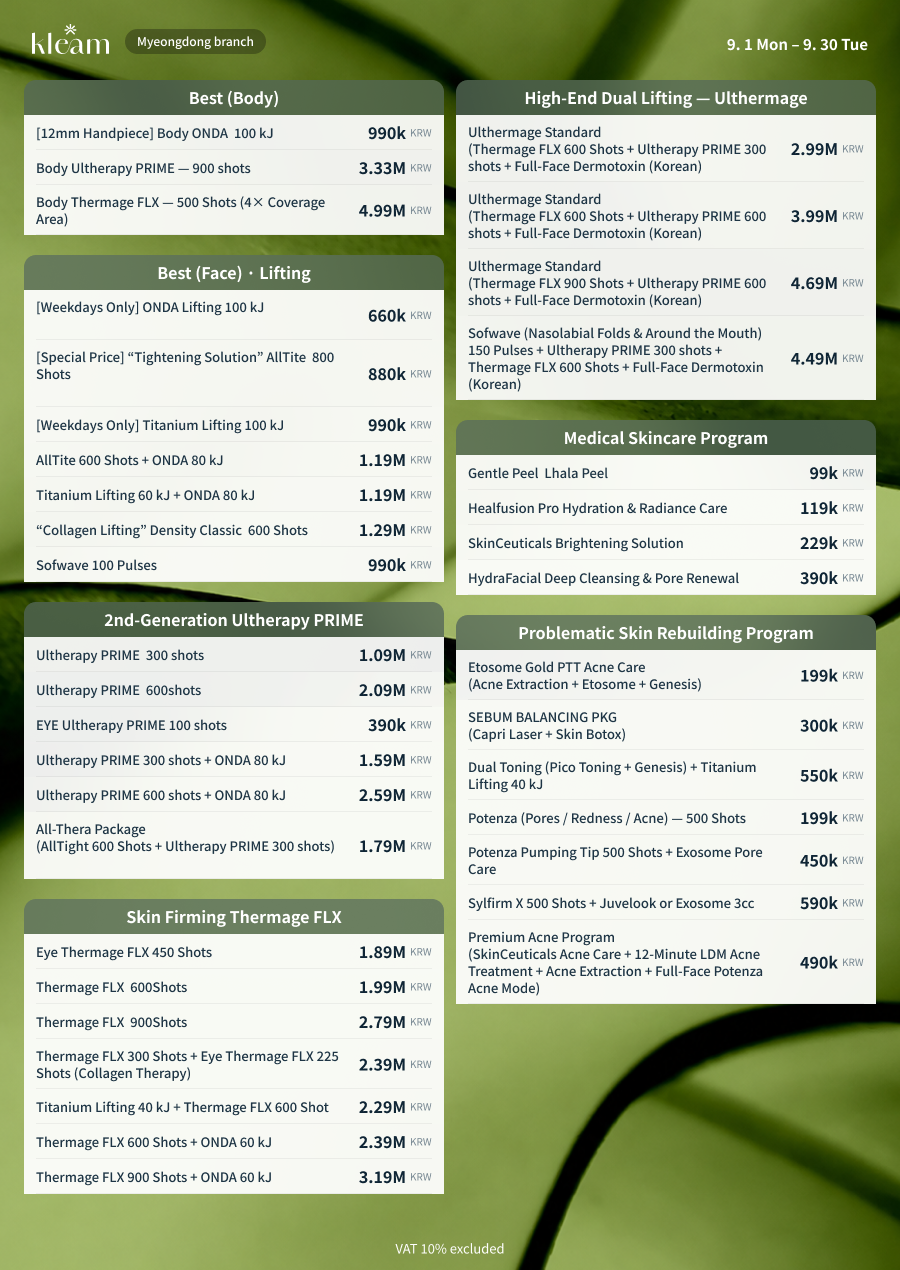
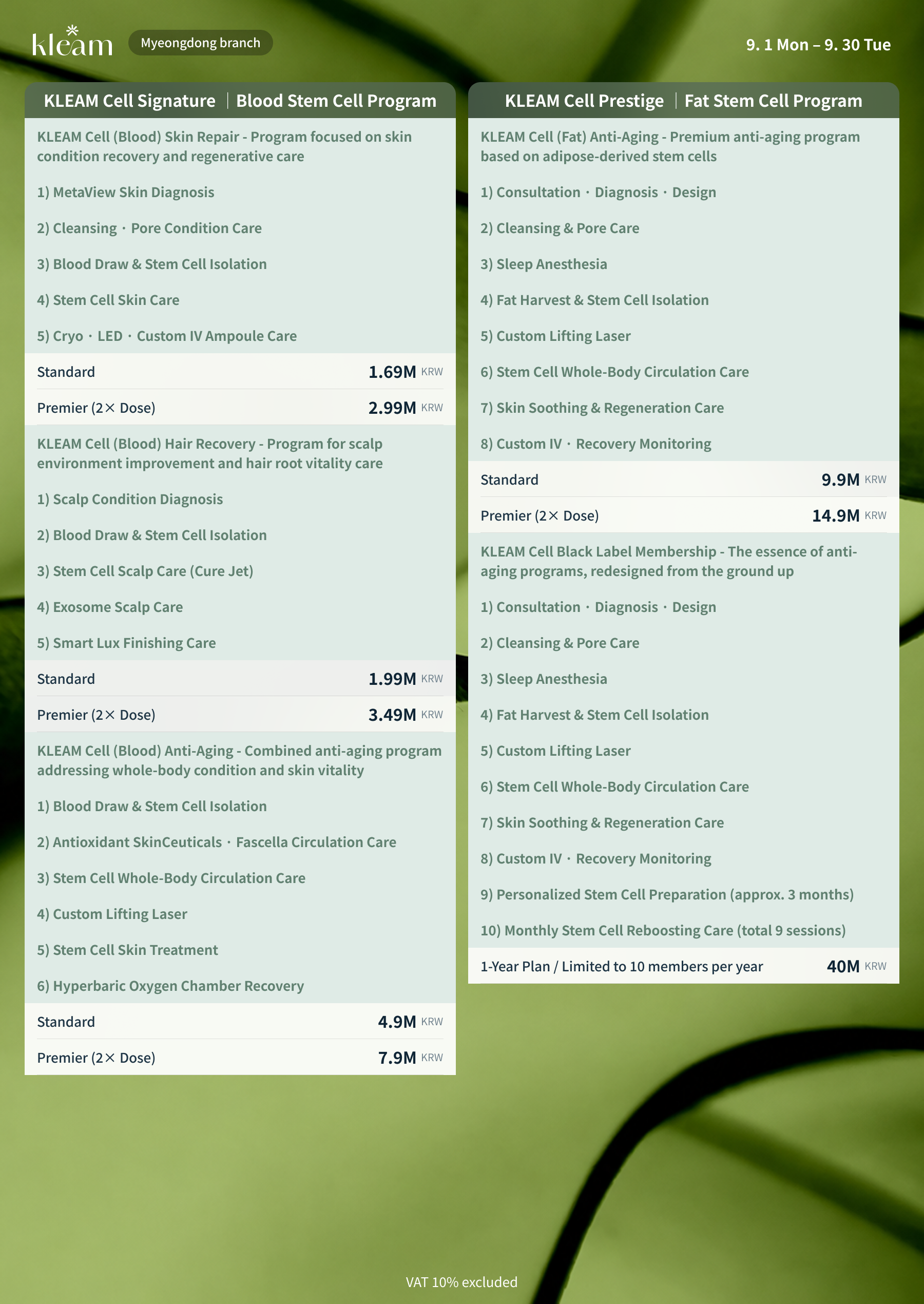
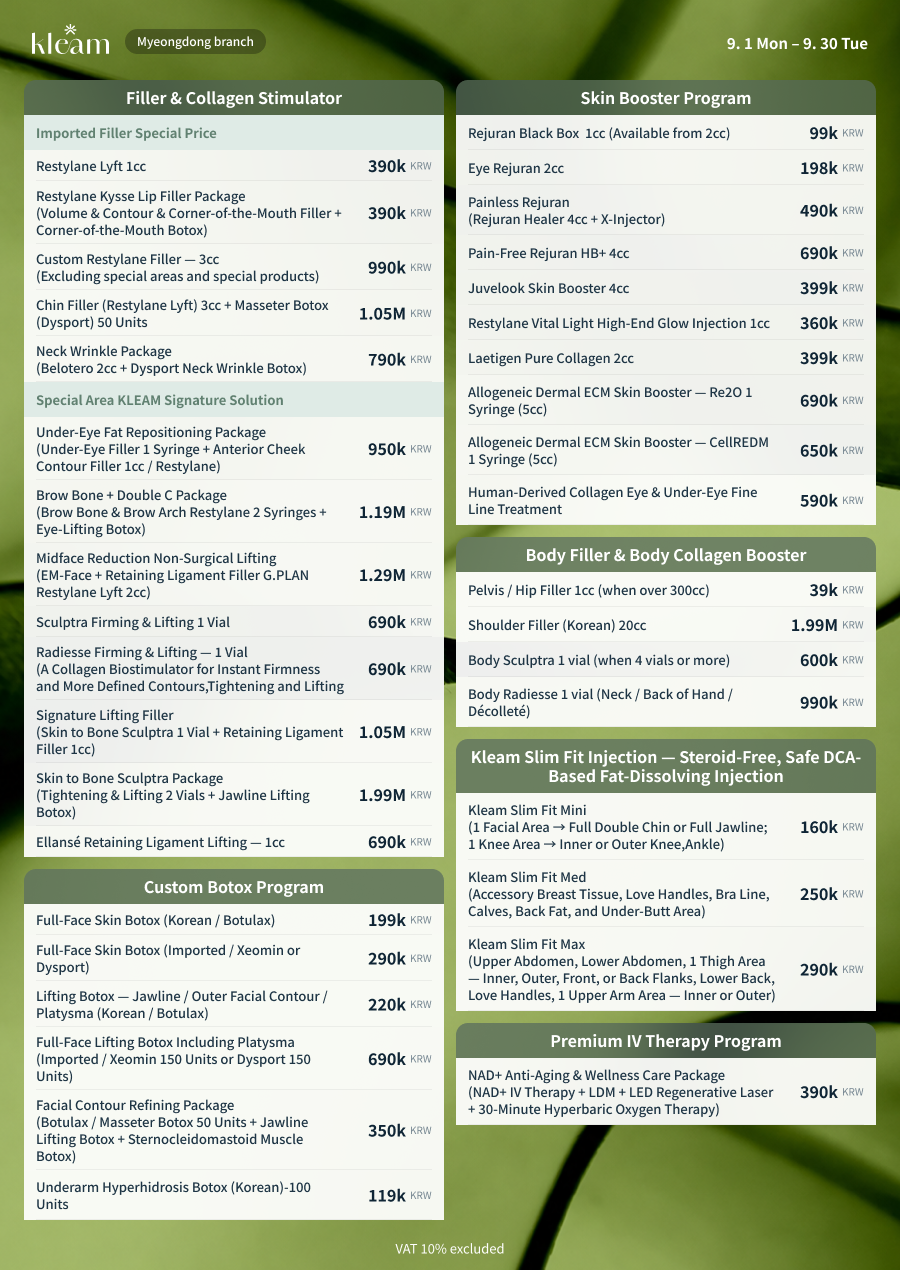
- Kleam Clinic Myeongdong – combined redness and anti-aging treatments
🧠 Side Effects & Safety
Possible temporary effects include:
- Mild redness
- Slight swelling
- Temporary skin sensitivity
- Light dryness or irritation
To ensure safe treatment:
✔ Choose a certified dermatologist
✔ Avoid known redness triggers
✔ Follow proper aftercare instructions
✔ Use sunscreen daily after treatment