Korean Dermatology Technology Explained
Korean dermatology clinics are widely recognized for combining advanced medical technology with personalized skincare treatments. Over the past decade, Korea has become a global hub for aesthetic dermatology, offering innovative procedures that focus on improving skin health, texture, and long-term skin quality.
In major dermatology districts such as Myeongdong in Seoul, clinics commonly use a combination of laser systems, skin analysis technology, and minimally invasive treatments to address a wide range of skin concerns. These technologies allow dermatology professionals to deliver precise treatments while minimizing downtime for patients.
🔬 What Is Korean Dermatology Technology?
Korean dermatology technology refers to the modern devices and treatment systems used in clinics to diagnose and treat skin conditions more effectively.
These technologies are designed to address common concerns such as:
✔ Pigmentation and melasma
✔ Acne scars and enlarged pores
✔ Uneven skin tone
✔ Fine lines and early signs of aging
✔ Skin redness and sensitivity
Rather than focusing on a single treatment method, Korean dermatology often uses combination therapies that include lasers, injectables, and regenerative treatments to improve overall skin condition.
💡 Common Technologies Used in Korean Dermatology
Many dermatology clinics in Korea use several types of advanced technology depending on the patient's skin condition.
🔦 Laser Systems
Laser technology is one of the most widely used tools in Korean dermatology.
Common laser types include:
- Pico lasers for pigmentation and tattoo removal
- Nd:YAG laser toning for skin brightening
- Fractional lasers for acne scars and wrinkles
- IPL photofacial devices for redness and sun damage
These lasers deliver controlled energy to specific layers of the skin to stimulate collagen production and improve skin texture.
🧴 Skin Analysis Technology
Many clinics use digital skin analysis devices to evaluate skin conditions before treatment.
These systems can measure:
✔ Skin hydration levels
✔ Pigmentation depth
✔ Pore size and skin texture
✔ Oil production and sensitivity
This information helps dermatology professionals create customized treatment plans tailored to each patient’s skin type.
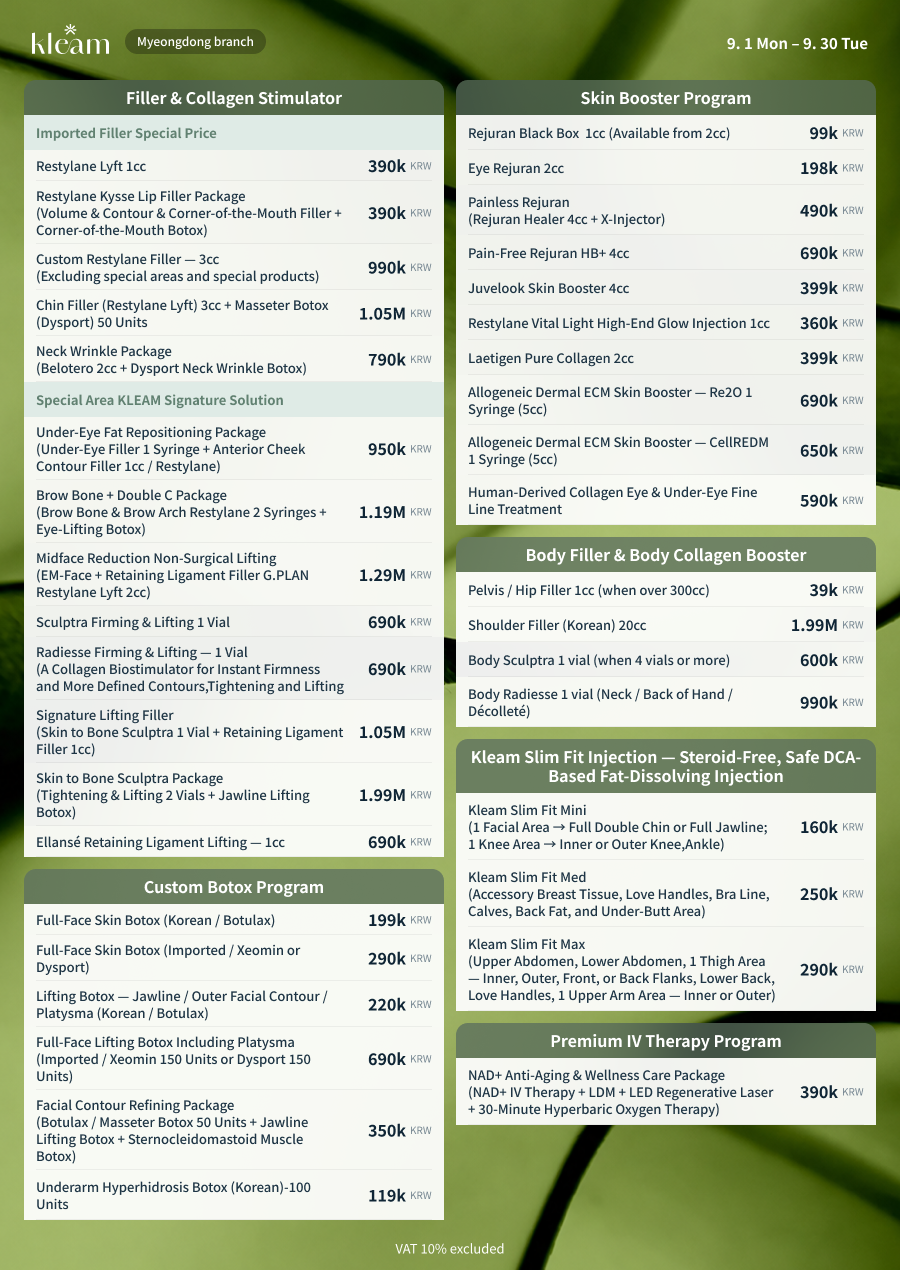
💉 Injectable Skin Treatments
Injectable treatments are another important part of modern Korean dermatology.
These treatments may include:
✔ Skin boosters for hydration and skin repair
✔ Wrinkle-relaxing injections such as Botox
✔ Dermal fillers for volume restoration
Many clinics combine these injectable treatments with laser procedures for more comprehensive results.
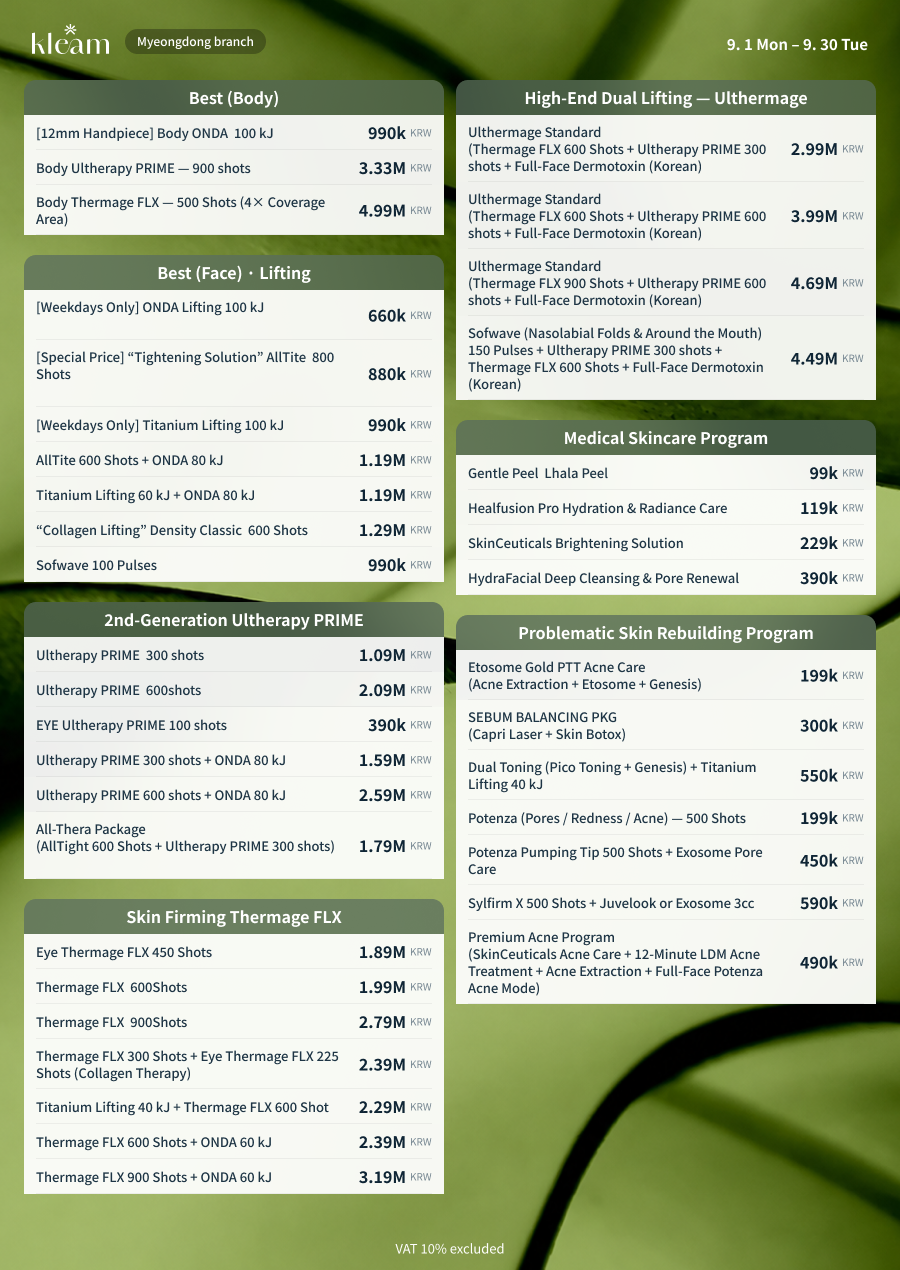
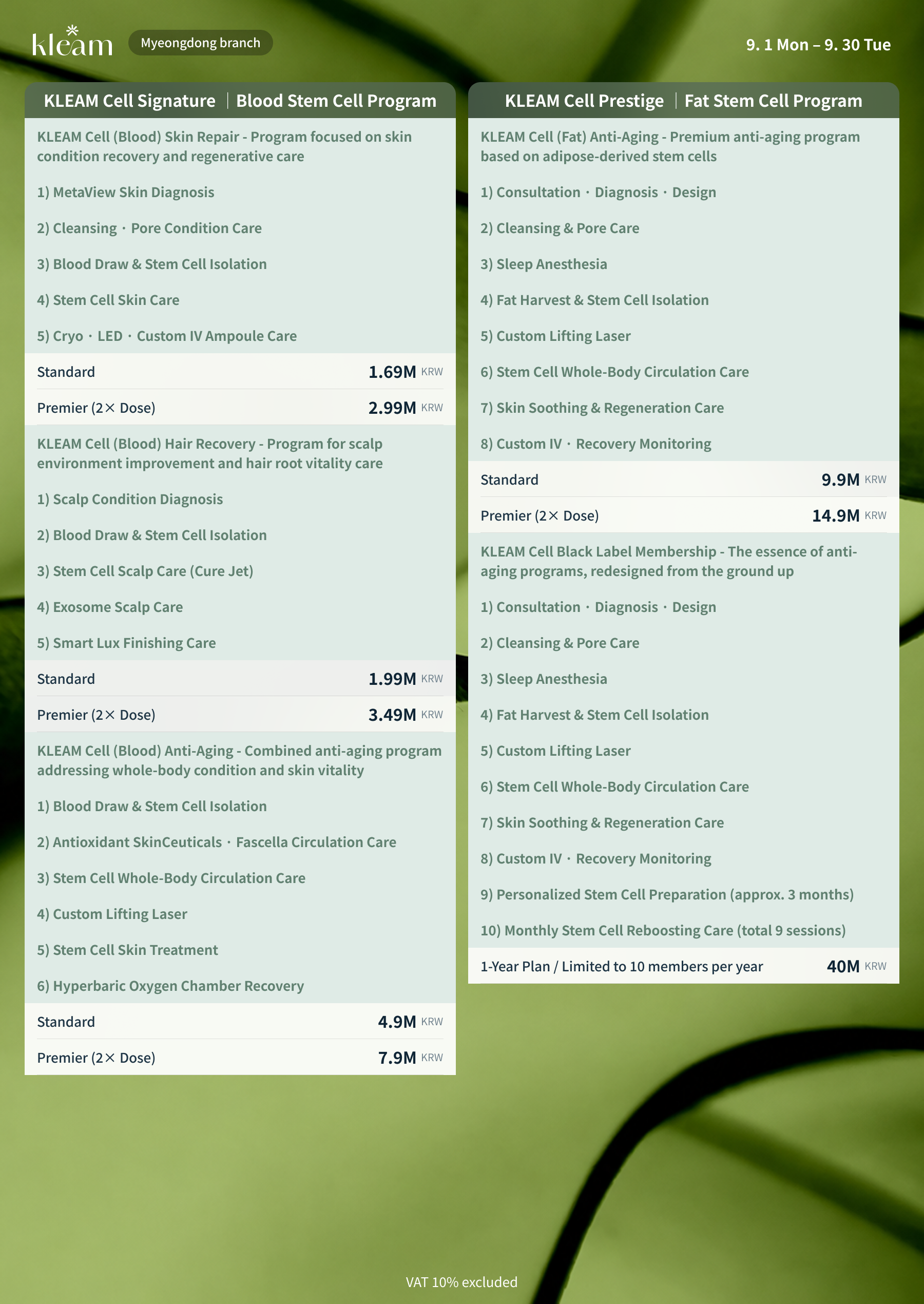
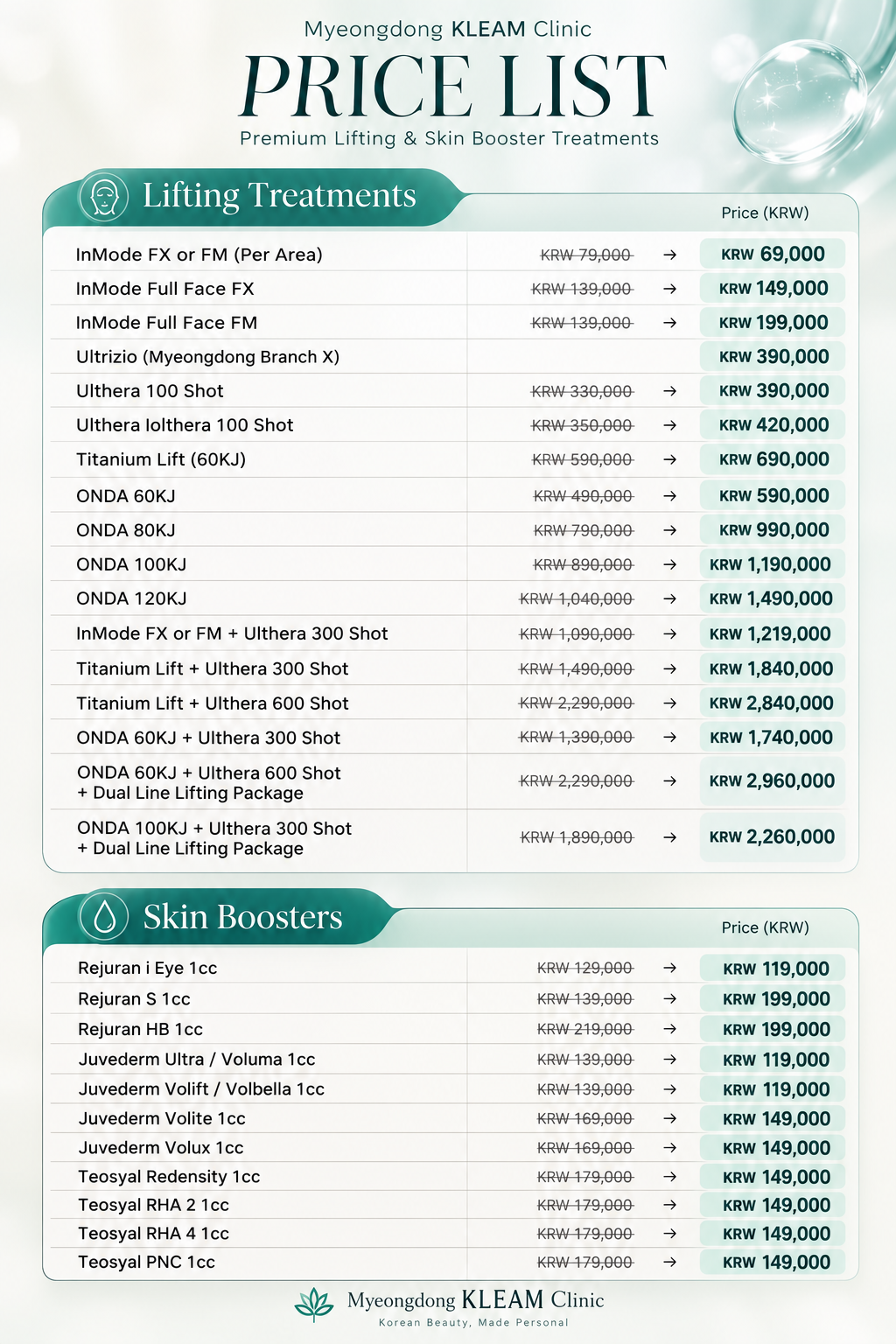
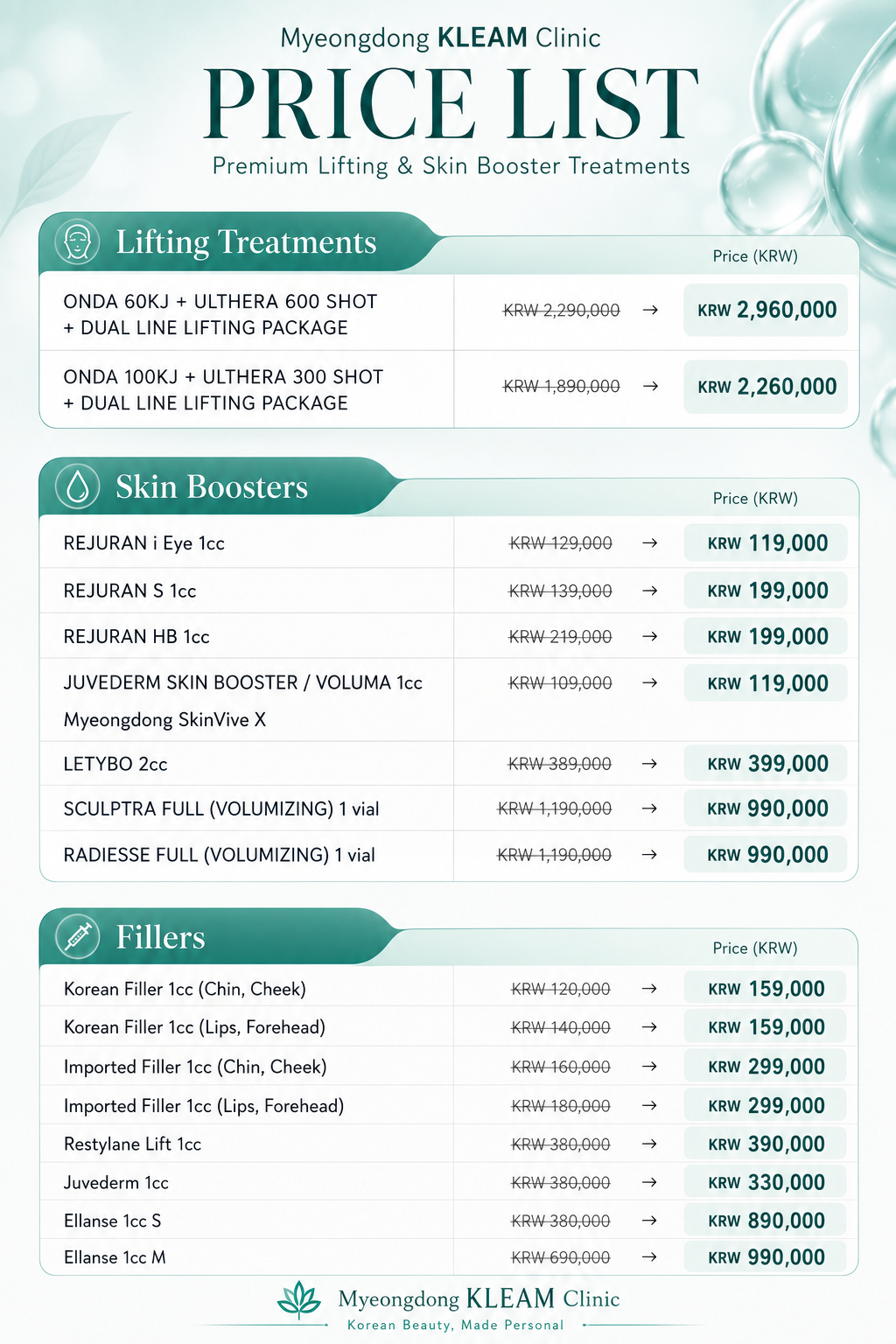
💰 Average Price of Dermatology Treatments in Korea
The cost of dermatology treatments varies depending on the technology used, treatment area, and clinic expertise.
Typical price ranges include:
- Laser toning treatments: approximately $40–$120 per session
- Pico laser treatments: approximately $100–$250 per session
- Skin booster injections: approximately $200–$600 per session
- Fractional laser resurfacing: approximately $200–$500 per session
Many clinics offer treatment packages when multiple sessions are recommended for optimal results.
🪡 Treatment Procedure
- Skin consultation and digital skin analysis
- Cleansing and preparation of the treatment area
- Application of the selected treatment technology (laser or injectable)
- Cooling mask or calming skincare treatment
- Post-treatment care instructions and sunscreen application
Most dermatology procedures take 20–60 minutes, depending on the type of treatment and target area.
🌟 Benefits of Korean Dermatology Technology
✔ Precise treatment targeting specific skin concerns
✔ Advanced laser and injectable technologies
✔ Personalized treatment programs
✔ Non-surgical procedures with minimal downtime
✔ Gradual improvements that maintain natural appearance
🕒 Recovery & Downtime
Most dermatology treatments involve mild and temporary side effects.
✔ Mild redness or swelling for 1–3 days
✔ Temporary skin sensitivity
✔ Possible light peeling after laser treatments
✔ Temporary darkening of pigmentation spots
Following proper aftercare and applying sunscreen regularly can help protect the skin and support optimal results.
🧠 Who Can Benefit from Korean Dermatology Treatments?
Modern dermatology treatments in Korea may be suitable for individuals who want to improve skin health and appearance without undergoing surgery.
These treatments may benefit people with:
- Pigmentation concerns such as melasma or freckles
- Acne scars or enlarged pores
- Uneven skin tone
- Early signs of aging
- Dull or dehydrated skin
A consultation with a qualified dermatology professional can help determine which treatment technologies are most appropriate for each individual’s skin condition and goals.